Few shows have had the cultural impact and fan devotion that Lost achieved during its six-season run from 2004 to 2010. With its gripping mysteries, intricate characters, time travel twists, and island full of secrets, Lost pulled audiences into a puzzle that millions couldn’t stop watching.
But despite its massive success, fans often ask:
Why was Lost canceled?
And perhaps more curiously, what was the intended ending for the show?
In this article, we’ll explore the real reasons Lost came to an end, the creators’ original vision, and how the show’s legacy lives on through the devoted fanbase and the legendary Lost cast.
What Was Lost?
If you’re new to the Lost phenomenon, here’s a quick overview.
The show begins with a plane crash on a mysterious island. But this isn’t your typical survival story. The survivors soon discover the island holds inexplicable secrets—from polar bears to smoke monsters to a hidden organization known as the Dharma Initiative. As the story unfolds, themes of fate, redemption, science vs. faith, and parallel timelines keep viewers hooked.
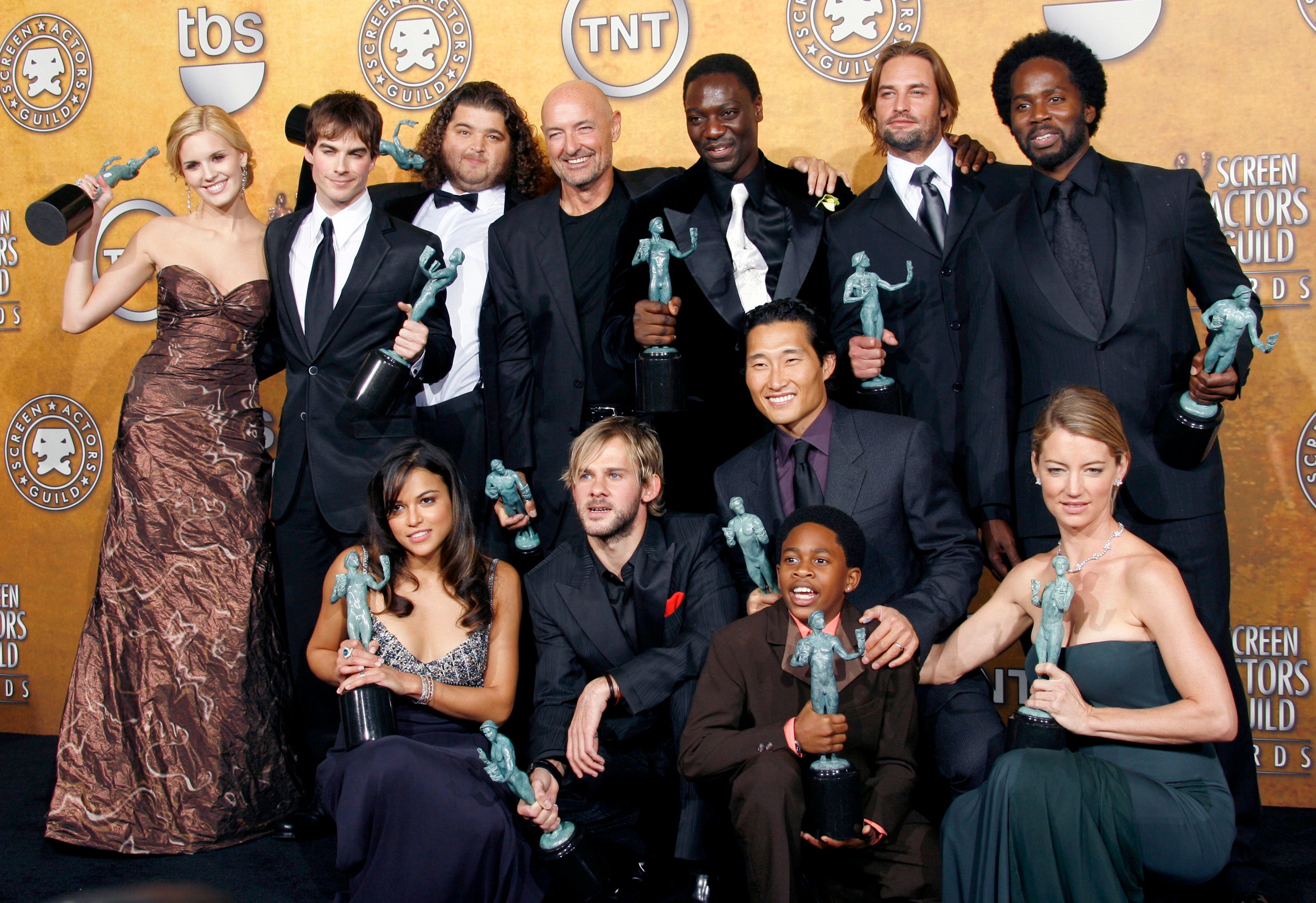
Led by a standout Lost cast including Matthew Fox (Jack), Evangeline Lilly (Kate), Josh Holloway (Sawyer), Terry O’Quinn (Locke), and Michael Emerson (Ben), the show became a global sensation.
Was Lost Canceled Due to Low Ratings?
Surprisingly, no—Lost was not canceled in the traditional sense.
In fact, Lost maintained strong ratings throughout most of its run. While there was a dip in later seasons (as is common with long-running shows), it was still one of ABC’s most popular series at the time.
The end of Lost was a creative decision made by the showrunners—Damon Lindelof and Carlton Cuse—in collaboration with ABC. After Season 3, both creators expressed concern that the story could stretch indefinitely without a clear end, which would dilute the impact of the narrative.
“We didn’t want to be like The X-Files, dragging it out without a plan,” Lindelof once said.
“We wanted a beginning, middle, and end.”
So in 2007, it was announced that Lost would officially end after three more seasons—finishing with Season 6 in 2010. This gave the writers a clear framework to wrap up the sprawling mythology.
Why Did Lost Really End?
Let’s dig a little deeper into the reasons behind the show’s conclusion.
1. Story-Driven Decision
The Lost writers had introduced complex storylines involving time travel, alternate realities, ancient mythology, and dozens of characters. Trying to continue indefinitely would have led to creative burnout and unresolved arcs.
Ending the show on their own terms allowed the creators to craft a more satisfying (and coherent) conclusion, rather than being forced to make things up as they went.
2. Fan Pressure for Answers
By Season 3, fans were demanding answers to the island’s biggest mysteries:
-
What is the Smoke Monster?
-
What is the island?
-
Who are the Others?
-
What’s the purpose of the numbers?
The showrunners realized that continuing without resolution would frustrate the loyal audience. Announcing an end date allowed them to start resolving the mysteries and focus on character development.
3. Actor Contracts and Aging Cast
Another factor was the Lost cast itself. Many of the actors had been working on the series for six years—often filming in Hawaii, far from family and home. Ending the show gave the actors closure and a chance to pursue other roles before becoming permanently typecast.
What Was the Original Intended Ending for Lost?
Now here’s where things get really interesting. The final season—and especially the finale—sparked intense debate among fans. Some loved it. Others felt confused. So what was the intended ending? And did the show stay true to it?
1. Yes, the Ending Was Planned
Despite rumors that the ending was improvised, the showrunners have confirmed that the general concept was always in place: The characters would undergo a spiritual journey that concluded in a non-linear, emotionally resonant ending.
However, details evolved over time. For example:
-
The “flash sideways” world in Season 6 was originally envisioned as an epilogue, not woven throughout the season.
-
Some characters’ arcs were expanded or shortened depending on actor availability and fan response.
-
The idea of the island being a source of light and life wasn’t introduced until later seasons.
2. The Flash Sideways World
One of the most debated aspects of the finale is the “flash sideways” timeline, which viewers initially thought was an alternate reality. In the finale, it’s revealed that this world is a form of purgatory or spiritual limbo, where the characters reunite after death before “moving on.”
This was always meant to be a metaphor for letting go and finding peace, and not an indication that the characters were “dead the whole time,” as some fans misunderstood.
3. The Island Was Real
The creators have clarified many times:
The island and everything that happened on it was real.
The characters lived, fought, loved, and died there. The flash-sideways realm was simply a place for them to find closure before the afterlife.
What Happened to the Characters in the End?
Let’s do a quick rundown of where key members of the Lost cast ended up:
-
Jack Shephard (Matthew Fox): Becomes the new protector of the island and dies heroically to save it.
-
Kate Austen (Evangeline Lilly): Escapes the island with Sawyer and Claire, starting a new life.
-
James “Sawyer” Ford (Josh Holloway): Finds redemption and escapes the island with Kate.
-
John Locke (Terry O’Quinn): Dies on the island but is reborn in the spiritual realm.
-
Ben Linus (Michael Emerson): Stays behind in the purgatory world, feeling he’s not ready to move on yet.
-
Hurley (Jorge Garcia): Takes over as the island’s new guardian, with Ben as his right-hand man.
Each of these arcs was designed to give characters closure, reflecting the show’s themes of forgiveness, purpose, and moving forward.
Why Was the Ending Controversial?
The final episode, “The End,” aired in May 2010 and received mixed reactions. Some viewers found it moving and emotional. Others were frustrated by the unanswered mysteries.
Common Complaints:
-
What were the numbers really about?
-
Why introduce so many side plots if they weren’t going to be resolved?
-
Why did the show lean so heavily into spirituality at the end?
But Here’s the Truth:
Lost was never just about the mysteries—it was about the people. The showrunners made a creative choice to prioritize emotional resolution over literal answers. For fans invested in the characters, this worked beautifully. For those craving a comprehensive sci-fi explanation, it felt incomplete.
The Legacy of Lost Today
More than a decade after its finale, Lost remains one of the most talked-about shows in television history. The Lost cast continues to make appearances at conventions, and the series still sparks passionate debates online.
Here’s Why Lost Is Still Worth Watching:
-
Groundbreaking storytelling: It paved the way for serialized, mythology-driven TV shows like Westworld, The Leftovers, and Stranger Things.
-
Character depth: The complex, evolving characters remain iconic.
-
Creative risk-taking: The non-linear storytelling, use of flashbacks and flash-forwards, and blend of genres made it one of a kind.
And, of course, the chemistry among the Lost cast was unforgettable.
Final Thoughts: Was Lost Really Canceled?
No—it wasn’t canceled due to poor performance. Lost ended because its creators and network agreed to wrap it up in a way that honored the story, gave closure to the characters, and avoided the trap of dragging on too long.
While the final season may have divided fans, there’s no denying the impact Lost had on TV storytelling. The creators set out to make a show that was not only entertaining but also deeply emotional—and in many ways, they succeeded.
