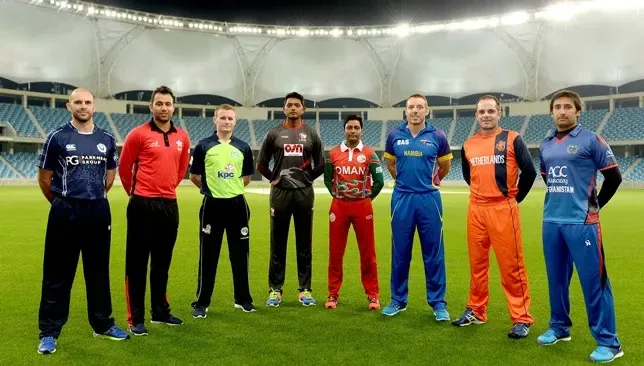
Rise of associate nation cricket teams has become one of the most inspiring stories in modern sports, changing how cricket is played, watched, and understood across the world. What was once a game dominated by a handful of traditional powers is now evolving into a global phenomenon where emerging nations are challenging established giants and building passionate cricket cultures from scratch.
In the past decade, fans have witnessed remarkable performances from teams that were once considered underdogs. These associate nations are no longer just participating; they are competing, innovating, and redefining the future of cricket. Their journey is driven by passion, structured development programs, and the dreams of young players who see cricket as a pathway to global recognition.
Understanding the Rise of Associate Nation Cricket Teams
The story of the Rise of associate nation cricket teams begins with the International Cricket Council’s efforts to expand the sport beyond traditional strongholds. Associate nations are countries that are not full ICC members but participate in global tournaments and regional competitions. Nations like Afghanistan, Ireland, Nepal, the Netherlands, Scotland, and Namibia have shown that with the right infrastructure and commitment, cricket can thrive anywhere.
These teams often start with limited funding, fewer facilities, and minimal exposure. Yet, their progress is fueled by grassroots programs, local leagues, and increasing global attention. When Afghanistan qualified for Test status or Ireland stunned England in World Cup matches, it was not just a sporting upset but a statement that cricket’s future is global.
Grassroots Development and Community Passion
One of the strongest drivers behind the growth of associate teams is community passion. In many emerging cricket nations, the sport is deeply connected to identity and pride. Children play cricket in streets, schools, and local grounds, dreaming of representing their country on the international stage.
Grassroots academies and coaching programs have played a significant role in nurturing talent. Countries like Nepal and Papua New Guinea have invested in youth leagues and school tournaments, creating a pipeline of skilled players. These programs focus not only on technical skills but also on discipline, fitness, and teamwork, ensuring players are ready for international competition.
The emotional connection between fans and players in associate nations is often intense. Every win feels historic, and every milestone becomes a national celebration. This emotional investment creates a powerful cycle of growth, inspiring more young players to take up the sport.
Global Tournaments and Exposure Opportunities
The expansion of global tournaments has significantly accelerated the Rise of associate nation cricket teams. Events like the ICC T20 World Cup and Cricket World Cup qualifiers provide associate nations with a global platform. These tournaments offer exposure, sponsorship opportunities, and experience against top-tier teams.
When smaller nations compete against cricketing giants, they gain invaluable experience. Playing against established teams helps them understand international standards, adapt strategies, and improve their skills. Upsets in these tournaments often become viral moments, capturing the imagination of cricket fans worldwide.
Media coverage and digital platforms have also amplified their presence. Matches featuring emerging teams are now streamed globally, allowing fans to follow their journey and celebrate their achievements.
Technological Advancements and Coaching Support
Technology has transformed cricket development, and associate nations are leveraging it to bridge the gap with traditional powers. Video analysis, fitness tracking, and online coaching resources are now accessible even to developing cricket nations.
International coaches and mentors are also contributing to their progress. Many associate teams hire experienced coaches from cricketing nations to develop structured training programs. These coaches bring international expertise, helping players improve technique, game awareness, and mental strength.
Data-driven strategies and performance analytics have enabled associate teams to compete more effectively. By analyzing opponents, refining strategies, and improving fitness regimes, these teams are becoming tactically sophisticated and physically prepared.
Financial Growth and Sponsorship Opportunities
Financial stability is crucial for any sports team, and associate nations are gradually building sustainable funding models. Sponsorships, broadcasting deals, and government support have increased as cricket gains popularity in these regions.
Corporate sponsors see emerging markets as growth opportunities, and cricket provides a powerful platform for brand visibility. National cricket boards are also developing partnerships with local businesses and international organizations to fund training facilities, travel, and player salaries.
Crowdfunding and fan-driven initiatives have also contributed to funding grassroots programs. In some countries, fans actively support their teams through donations and community events, creating a unique ecosystem of shared responsibility and pride.
Cultural Impact and National Identity
Cricket has become more than a sport for associate nations; it is a cultural movement. The Rise of associate nation cricket teams has strengthened national identity and unity. When a team competes on the global stage, it represents the aspirations of an entire nation.
For countries with limited international recognition, cricket provides a global voice. Matches against established teams bring international attention, showcasing the nation’s culture, resilience, and talent. Victories become symbols of progress and hope, inspiring future generations.
In Afghanistan, for example, cricket has united people across regions and backgrounds, providing a sense of national pride amid challenging circumstances. Similar stories can be found in Ireland, Nepal, and Namibia, where cricket has become a symbol of progress.
Role of Diaspora Communities
Diaspora communities have played a significant role in the growth of associate cricket teams. Migrants and expatriates often bring cricket culture to new regions, forming clubs and leagues that serve as foundations for national teams.
In countries like the United States and Canada, cricket has grown through immigrant communities from South Asia, the Caribbean, and the UK. These communities introduce the sport to local populations, creating multicultural cricket ecosystems. Over time, local players join these clubs, leading to diverse national teams that reflect the country’s multicultural identity.
This cultural exchange enriches the sport and accelerates development by combining traditional cricket knowledge with new perspectives and athletic talent.
Youth Talent and Pathways to Professional Cricket
The future of associate cricket lies in youth development. Many emerging nations have established pathways for young players to progress from school cricket to national teams. Scholarships, training camps, and international exposure tours provide opportunities for young talent to develop professionally.
Talented players from associate nations are also participating in franchise leagues around the world. T20 leagues offer exposure, financial support, and experience playing alongside global stars. This experience enhances their skills and confidence, which they bring back to their national teams.
The success of players from associate nations in global leagues inspires younger generations, proving that cricket can be a viable career path.
Media, Social Platforms, and Fan Engagement
Digital media has transformed how fans interact with cricket, and associate nations are benefiting immensely. Social media platforms allow teams to share behind-the-scenes content, match highlights, and player stories directly with fans.
Streaming platforms have made matches accessible to global audiences, increasing fan engagement and revenue opportunities. Fans from different parts of the world can now follow associate teams, creating a global fan base that transcends borders.
Content creators, bloggers, and cricket analysts are also focusing more on emerging teams, providing in-depth coverage and analysis. This increased visibility helps associate nations gain recognition and attract sponsorships.
Challenges Faced by Associate Nations
Despite their progress, associate nations face significant challenges. Limited funding, fewer facilities, and less international exposure compared to full-member nations can hinder development. Travel costs, lack of domestic professional leagues, and limited media coverage also pose obstacles.
Political instability and economic constraints can impact sports development in some countries. Players often juggle cricket with other jobs, making it difficult to focus on professional training.
However, these challenges also highlight the resilience of associate teams. Their ability to compete despite limited resources makes their success stories even more inspiring and authentic.
The Rise of Associate Nation Cricket Teams in Global Rankings
The Rise of associate nation cricket teams is reflected in global rankings and performances. Teams like Afghanistan and Ireland have achieved Test status, while others consistently compete in ICC tournaments.
Scotland, the Netherlands, and Namibia have produced memorable performances against top-tier teams, proving their competitiveness. Their improved rankings and consistent performances demonstrate that associate nations are closing the gap with traditional powers.
These achievements are not accidental but the result of strategic planning, investment in youth development, and exposure to international competitions.
Impact on the Global Cricket Ecosystem
The growth of associate nations is reshaping the global cricket ecosystem. More competitive teams mean more exciting tournaments, unpredictable results, and broader fan engagement.
Traditional cricket nations are now paying more attention to emerging teams, scheduling bilateral series and offering training support. This collaboration benefits the sport as a whole, promoting inclusivity and global expansion.
Cricket boards and governing bodies are also revising tournament formats to include more teams, ensuring global representation and diversity.
Commercial Opportunities and Market Expansion
The expansion of cricket into new markets presents significant commercial opportunities. Emerging cricket nations represent untapped markets for broadcasters, sponsors, and merchandise companies.
Global brands are increasingly targeting these regions, recognizing the potential of passionate fan bases. Broadcasting rights for matches involving associate nations are gaining value as audiences grow.
Cricket tourism is another emerging sector, with fans traveling to support their teams in international tournaments. This creates economic opportunities for host countries and strengthens global cricket culture.
Inspiration for Future Generations
Perhaps the most powerful aspect of the Rise of associate nation cricket teams is the inspiration it provides to future generations. Young players from non-traditional cricket nations now believe they can compete on the world stage.
Stories of players rising from humble backgrounds to international stardom motivate aspiring cricketers. These narratives highlight perseverance, dedication, and the transformative power of sports.
As more nations invest in cricket, the sport will continue to expand, creating a truly global community of players and fans.
Strategic Support from International Cricket Bodies
International cricket bodies have recognized the importance of supporting associate nations. Development grants, coaching programs, and infrastructure projects are being implemented to strengthen emerging teams.
Regional tournaments and development leagues provide competitive platforms for associate teams. Partnerships with established cricket boards help transfer knowledge and best practices.
These initiatives aim to create a balanced global cricket landscape where talent and passion matter more than historical dominance.
The Rise of Associate Nation Cricket Teams and Digital Transformation
Digital transformation has accelerated the Rise of associate nation cricket teams by providing tools for training, fan engagement, and monetization. Online coaching platforms, virtual fitness programs, and digital analytics tools help teams improve performance.
E-learning platforms provide coaches and players with access to global knowledge resources. Virtual reality and simulation technologies are also being explored to enhance training methods.
Digital fan communities, fantasy leagues, and online forums create interactive experiences, increasing fan loyalty and engagement.
Future Outlook and Sustainable Growth
The trajectory of associate nation cricket teams suggests a promising future. With continued investment, technological support, and global exposure, these teams will become stronger and more competitive.
Sustainable growth requires structured governance, transparent funding, and long-term development strategies. Building domestic leagues, improving facilities, and nurturing youth talent are essential for long-term success.
As cricket continues to globalize, associate nations will play a crucial role in shaping the sport’s future, ensuring diversity, inclusivity, and innovation.
Read also:-
south africa national cricket team vs england cricket team match scorecard
england cricket team vs new zealand national cricket team match scorecard
zimbabwe national cricket team vs new zealand national cricket team match scorecard
india national cricket team vs england cricket team timeline
australian men’s cricket team vs south africa national cricket team timeline
afghanistan national cricket team vs zimbabwe national cricket team
