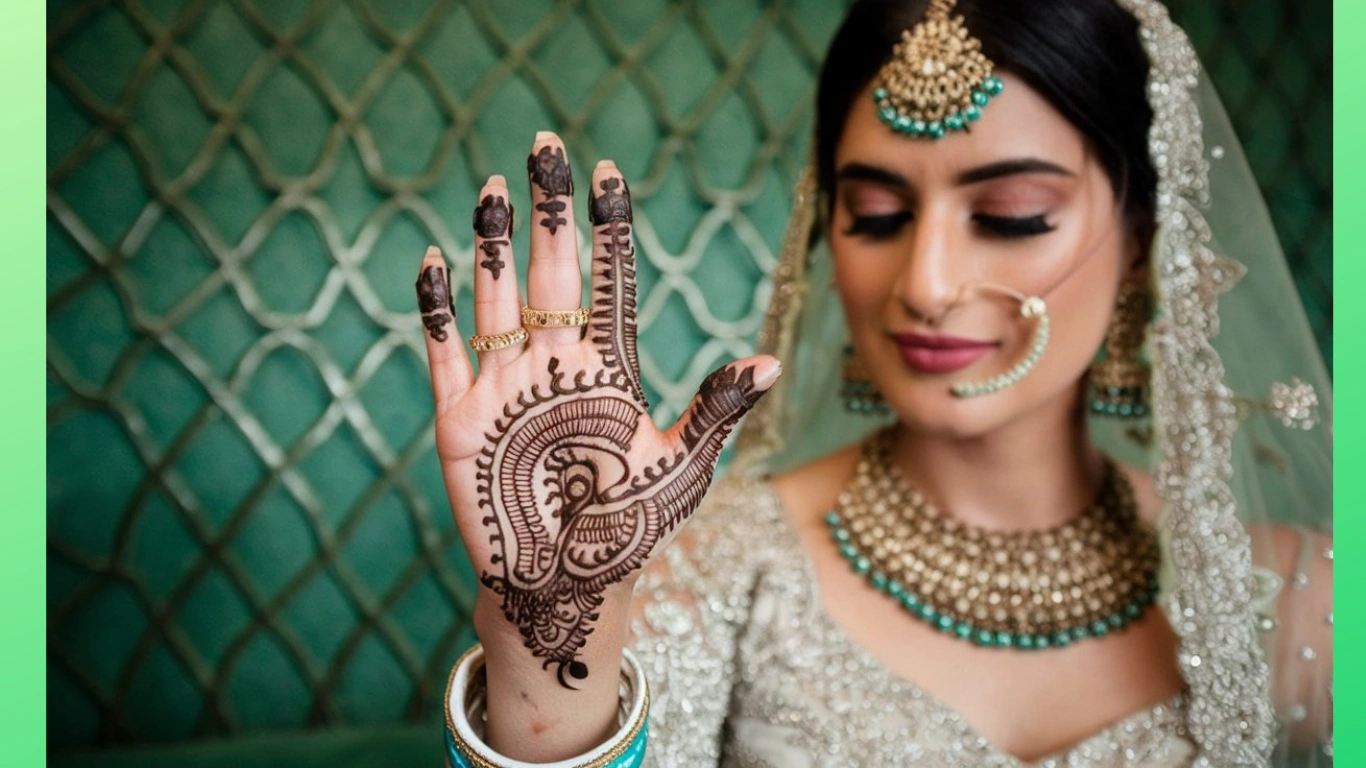
esthetic mehndi design has become a popular trend among people who love henna art that feels modern, minimal, and visually pleasing. Unlike traditional heavy patterns that fill the entire hand, aesthetic mehndi focuses on balance, simplicity, and graceful artistic flow.
In recent years, mehndi has evolved from a purely cultural tradition into a creative form of self-expression. Many people now prefer designs that look stylish and elegant in photographs while still honoring the traditional beauty of henna.
Aesthetic mehndi designs often feature delicate lines, thoughtful spacing, and carefully placed motifs that highlight the natural shape of the hands. This approach creates a sophisticated look that appeals to both young mehndi lovers and brides looking for contemporary styles.
As fashion and beauty trends continue to change, aesthetic henna patterns are becoming a favorite choice for weddings, festivals, and social gatherings.
Table of Contents
ToggleThe Meaning Behind esthetic mehndi design
The concept of an esthetic mehndi design is inspired by the idea of visual harmony and artistic balance. In simple terms, an aesthetic design focuses on beauty through thoughtful arrangement rather than complexity.
Traditional mehndi often uses dense patterns covering large areas of the hand. In contrast, aesthetic designs use negative space to create contrast and highlight important elements.
For example, a single floral motif surrounded by small vines and dots can appear more striking than a heavily detailed pattern.
Many mehndi artists approach aesthetic designs like a form of body art. They consider hand shape, finger length, and symmetry before creating the design.
This thoughtful process ensures that the final artwork feels balanced, elegant, and visually pleasing.
Why esthetic mehndi design Is Trending
The rise of esthetic mehndi design trends is closely connected to modern fashion and digital culture. Social media platforms have encouraged people to appreciate clean, minimal, and visually balanced designs.
When someone shares a photo of their mehndi online, simple and aesthetic patterns often stand out more clearly. The open spaces allow the details to appear sharper and more artistic.
Another reason behind the popularity of aesthetic mehndi is convenience. These designs usually take less time to apply compared to traditional bridal patterns.
Young women especially appreciate styles that look fashionable without requiring long application sessions.
This combination of beauty, practicality, and visual appeal has helped aesthetic mehndi become one of the most searched henna trends today.
esthetic mehndi design and Modern Fashion
Fashion trends have played a significant role in shaping the popularity of esthetic mehndi design styles.
Modern clothing often emphasizes simplicity and clean silhouettes. Minimalist bridal outfits, pastel lehengas, and contemporary sarees pair beautifully with light mehndi patterns.
Aesthetic henna designs complement these outfits because they do not overpower the overall look. Instead, they add a subtle decorative touch that enhances the elegance of the hands.
Many stylists also recommend aesthetic mehndi for fashion photoshoots and pre-wedding events. The designs look stylish and polished while allowing jewelry and accessories to remain visible.
This harmony between mehndi and fashion has made aesthetic designs extremely popular in modern celebrations.
Popular Styles of esthetic mehndi design
There are many variations of esthetic mehndi design, each offering its own unique artistic expression.
Floral aesthetic designs remain one of the most loved styles. Soft petals and delicate vines create a romantic and graceful appearance.
Minimalist mandala designs are also extremely popular. A single mandala placed at the center of the palm with subtle finger patterns can create a beautiful and balanced composition.
Geometric mehndi patterns have also gained attention. These designs use straight lines, triangles, and symmetrical shapes to create a contemporary artistic effect.
Another popular variation includes side-focused aesthetic designs. These patterns run diagonally across the hand, leaving parts of the palm open for a clean and modern look.
Each style offers endless creative possibilities for both beginners and experienced mehndi artists.
esthetic mehndi design for Brides
Brides today are increasingly choosing esthetic mehndi design styles for their weddings. While traditional bridal mehndi remains popular, many brides now prefer lighter patterns that feel modern and elegant.
Aesthetic bridal designs often combine intricate motifs with open spaces. This approach allows the design to look detailed while still maintaining a clean appearance.
Some brides also personalize their mehndi by including meaningful symbols such as initials, wedding dates, or small heart motifs.
These subtle details make the design more personal without overwhelming the hands with excessive patterns.
The result is a bridal mehndi style that feels both timeless and contemporary.
esthetic mehndi design for Festivals
Festivals are another perfect opportunity to experiment with esthetic mehndi design patterns.
During celebrations, people often want mehndi designs that look festive yet comfortable to wear. Aesthetic styles provide the ideal balance between beauty and simplicity.
For example, a small floral vine along the fingers combined with a delicate palm pattern can create a festive look without taking hours to apply.
These designs also pair beautifully with traditional outfits worn during festivals.
Because aesthetic mehndi patterns are lighter, they allow individuals to enjoy the celebration without worrying about protecting a complex design.
How Mehndi Artists Create esthetic mehndi design
Creating a beautiful esthetic mehndi design requires both technical skill and artistic creativity.
Professional mehndi artists begin by analyzing the shape of the hand and the client’s preferences. This helps them determine where the main motifs should be placed.
The design often starts with a central element such as a flower or mandala. From there, the artist gradually adds surrounding patterns like leaves, vines, and decorative lines.
One important technique used in aesthetic designs is spacing. Artists intentionally leave certain areas empty to enhance the visual impact of the patterns.
Fine line work is also essential. Thin, precise strokes create delicate shapes that give the design a refined and elegant appearance.
Using high-quality natural henna paste ensures a smooth application and a rich stain once the design develops.
Photography and esthetic mehndi design
One reason esthetic mehndi design styles have become so popular is their strong visual appeal in photography.
These designs often appear clean and elegant in close-up images because the patterns are not overcrowded.
Photographers frequently capture shots where the hands are gently placed near the face, holding flowers, or displaying jewelry. In these moments, aesthetic mehndi designs enhance the beauty of the entire photograph.
Natural lighting further highlights the contrast between the henna stain and the skin tone.
Accessories like bangles, rings, and floral bracelets also complement aesthetic mehndi patterns, creating visually stunning images.
Because of this photogenic quality, aesthetic mehndi designs are widely featured in wedding albums and fashion shoots.
Choosing the Perfect esthetic mehndi design
Selecting the right esthetic mehndi design depends on personal style, the type of event, and the desired level of detail.
Some individuals prefer very minimal designs with only a few motifs. Others may choose more intricate patterns that still maintain a balanced aesthetic look.
It is helpful to consider the outfit and accessories that will be worn during the event. Coordinating the mehndi design with these elements can enhance the overall appearance.
Consulting with an experienced mehndi artist can also help in selecting the perfect pattern.
Artists often recommend designs that suit the shape of the hands and complement the overall theme of the celebration.
Caring for esthetic mehndi design After Application
Proper aftercare plays an important role in achieving a dark and long-lasting stain for any esthetic mehndi design.
Once the henna paste dries, it should remain on the skin for several hours. This allows the natural dye to fully develop.
Many traditional methods are used to enhance the color. Lemon and sugar mixtures help keep the paste moist while improving the final stain.
Avoiding water for the first day after removing the dried paste can also help deepen the color.
Over the next few days, the mehndi gradually darkens and reveals its final shade.
With proper care, even a simple aesthetic mehndi design can remain vibrant and beautiful throughout celebrations and special events.
Read also:
esthetic mehndi design
पानाफुलांची रांगोळी
simple square rangoli designs images
rangoli square
