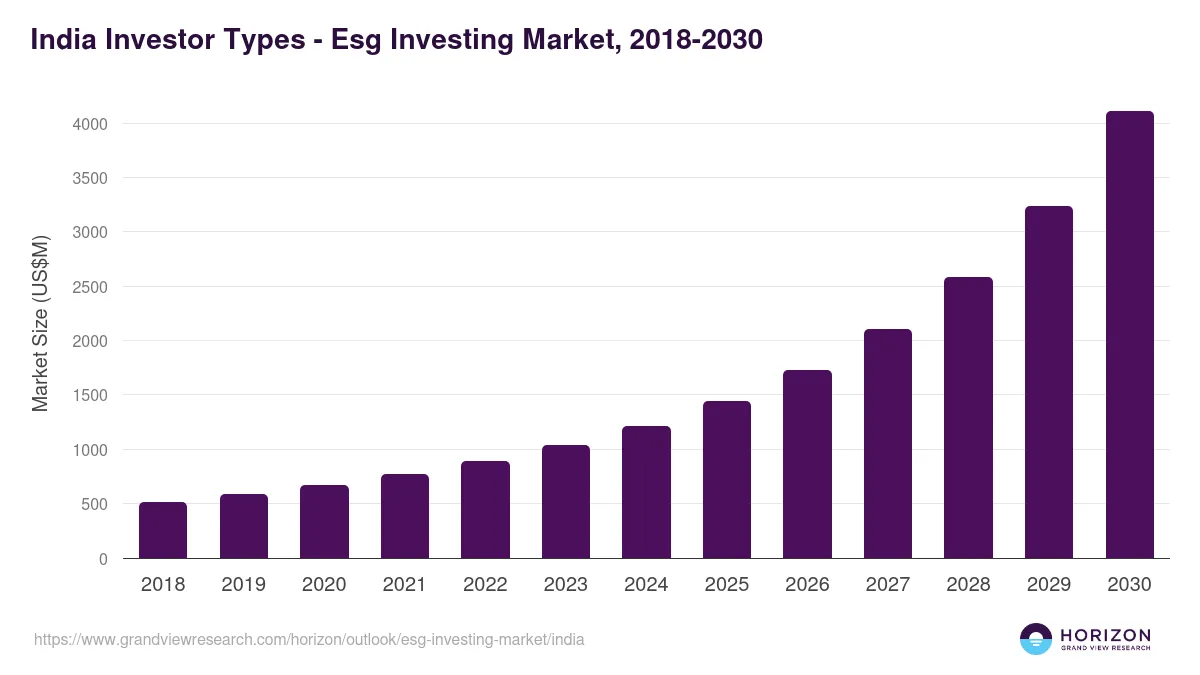
ESG investing trends are transforming the way individuals, institutions, and global markets think about risk, growth, and responsibility. What was once considered a niche strategy for socially conscious investors has evolved into a mainstream financial movement influencing trillions of dollars worldwide.
If you’ve ever wondered why companies are suddenly talking about carbon neutrality, board diversity, or ethical supply chains during earnings calls, the answer lies in the rising influence of ESG-focused capital. Investors are no longer satisfied with profits alone; they want purpose alongside performance.
This article explores the most significant ESG investing trends, how they are shaping capital markets, and why they matter for investors, businesses, and the global economy.
The Evolution of ESG: From Niche to Necessity
Not long ago, sustainable investing was often labeled as “feel-good investing.” It was commonly associated with excluding tobacco, weapons, or fossil fuels from portfolios.
Today, that perception has shifted dramatically. Major asset managers like BlackRock and Vanguard have integrated ESG metrics into their mainstream offerings. What changed?
The answer lies in data. Research increasingly shows that companies with strong environmental, social, and governance practices tend to manage risks better and demonstrate more resilient long-term performance.
These ESG investing trends reflect a broader realization: sustainability is not just about ethics; it is about economics.
Why ESG Investing Trends Matter More Than Ever
Climate change, social inequality, and corporate governance scandals have pushed ESG from the sidelines to the spotlight. Investors now recognize that ignoring these factors can create financial blind spots.
For example, when extreme weather events disrupt supply chains or when governance failures cause stock crashes, investors pay the price. ESG analysis provides an additional lens to evaluate such risks.
This shift is particularly visible in global agreements like the Paris Agreement, which has influenced corporate emissions strategies and investor expectations worldwide.
As regulations tighten and consumers demand accountability, ESG integration is no longer optional. It is becoming a core component of prudent investing.
Key ESG Investing Trends Shaping 2026 and Beyond
Climate-Centric Investment Strategies
One of the strongest ESG investing trends is the surge in climate-focused portfolios. Investors are channeling capital into renewable energy, clean technology, and companies with credible net-zero commitments.
The rise of exchange-traded funds tracking low-carbon indexes illustrates this transformation. Climate risk is increasingly viewed as financial risk, prompting investors to rebalance portfolios accordingly.
Financial regulators are also requiring climate disclosures, making transparency around emissions and transition plans more critical than ever.
ESG Data and Standardization Efforts
A few years ago, ESG ratings varied widely between providers. That inconsistency created confusion for investors.
Today, global bodies such as the International Sustainability Standards Board are working to harmonize reporting frameworks. Standardization improves comparability, helping investors make informed decisions.
Improved data quality is strengthening confidence in ESG metrics. As data becomes more reliable, ESG strategies gain further credibility in institutional portfolios.
The Rise of Impact Investing
Another dimension of ESG investing trends is impact investing, where capital is intentionally directed toward measurable social or environmental outcomes.
Imagine a fund investing in affordable housing projects or clean water infrastructure. The goal is not just financial return but tangible impact.
Institutions like the World Bank have been issuing green bonds to fund climate and development initiatives. These instruments allow investors to align returns with real-world progress.
Impact investing bridges the gap between philanthropy and traditional asset management, appealing especially to younger investors who prioritize values alongside wealth creation.
Governance Takes Center Stage
Environmental issues often dominate headlines, but governance remains a foundational pillar of ESG.
Board diversity, executive compensation alignment, and shareholder rights are increasingly scrutinized. Corporate scandals over the past decade have demonstrated how weak governance can destroy value overnight.
Investors are demanding transparency in decision-making and accountability in leadership structures. These governance-focused ESG investing trends highlight the belief that ethical oversight reduces long-term risks.
Retail Investors Join the Movement
ESG was once dominated by institutional players. That landscape has changed.
Retail investors, particularly millennials and Gen Z, are actively seeking sustainable investment options through digital platforms. They are researching companies’ environmental records before buying shares.
The accessibility of ESG ETFs and robo-advisors has democratized participation. As financial literacy grows, so does awareness of responsible investing.
This broad participation reinforces the momentum behind ESG investing trends and ensures their longevity.
Regulatory Momentum Accelerates ESG Adoption
Governments worldwide are introducing policies that require climate disclosures and sustainability reporting.
In Europe, regulatory frameworks encourage transparency and penalize greenwashing. In the United States, the U.S. Securities and Exchange Commission has proposed rules requiring public companies to disclose climate-related risks.
Such regulatory shifts validate ESG as a mainstream investment factor. They also protect investors from misleading claims, strengthening trust in ESG products.
Regulation acts as a catalyst, pushing corporations to align operations with sustainability standards.
ESG Investing Trends and Financial Performance
A common question remains: does ESG compromise returns?
The growing body of academic and industry research suggests otherwise. Companies with strong ESG profiles often exhibit better risk-adjusted returns over time.
During periods of market volatility, ESG funds have sometimes shown relative resilience due to their focus on quality management and forward-looking risk analysis.
These findings have helped dismantle the myth that sustainability and profitability are mutually exclusive. Instead, ESG investing trends demonstrate that long-term thinking can enhance financial outcomes.
Technology and ESG Integration
Technology is playing a crucial role in advancing ESG strategies.
Artificial intelligence and big data analytics are helping investors analyze supply chain emissions, labor practices, and governance structures in real time. This technological layer reduces reliance on self-reported data and increases accuracy.
Fintech platforms are also enabling individuals to customize portfolios aligned with personal values. The integration of technology ensures ESG investing remains innovative and scalable.
The Role of Corporate Transparency
Transparency is at the heart of credible ESG investing.
Investors are demanding detailed sustainability reports, third-party audits, and measurable targets. Companies that communicate clearly about their environmental and social commitments tend to earn stronger investor trust.
Global initiatives inspired by frameworks from organizations like the United Nations have encouraged companies to adopt standardized sustainability goals.
As disclosure improves, so does accountability, reinforcing confidence in ESG investing trends.
Challenges Facing ESG Investing Trends
Despite rapid growth, ESG investing faces criticism and complexity.
One major concern is greenwashing, where companies exaggerate sustainability claims. This undermines trust and distorts capital allocation.
Another challenge is political polarization in certain markets, where ESG is sometimes framed as ideological rather than financial.
However, as data improves and regulatory oversight strengthens, these challenges are gradually being addressed. The resilience of ESG investing trends suggests they are evolving rather than fading.
Real-World Example: A Portfolio Shift Story
Consider an investor who traditionally focused on oil and gas stocks for dividend income. After witnessing supply chain disruptions and regulatory pressures, they reassessed long-term risks.
They gradually diversified into renewable energy companies, green bond funds, and firms with strong governance metrics. Over time, their portfolio became more balanced and less exposed to climate transition risks.
This personal shift mirrors broader ESG investing trends seen across global markets. It reflects a growing understanding that sustainable practices can support durable returns.
Institutional Investors and Stewardship
Large pension funds and sovereign wealth funds are exercising shareholder voting rights to influence corporate behavior.
They are filing climate-related resolutions and pushing for diversity in leadership. Active ownership is emerging as a defining feature of modern ESG strategies.
This stewardship approach reinforces accountability and aligns long-term capital with sustainable business practices.
ESG Investing Trends in Emerging Markets
Emerging markets present both opportunities and challenges for ESG investors.
Rapid urbanization and infrastructure growth create investment potential in renewable energy and sustainable development. At the same time, governance standards and reporting frameworks may vary.
Global investors are increasingly partnering with local institutions to improve ESG data transparency and corporate accountability.
As these markets mature, they are likely to play a larger role in the evolution of ESG investing trends worldwide.
The Future Outlook of ESG Investing Trends
Looking ahead, ESG integration is expected to deepen rather than diminish.
Climate transition finance, biodiversity investments, and social equity metrics are gaining attention. Investors are exploring innovative asset classes tied to sustainability outcomes.
What began as a specialized strategy is becoming a structural shift in capital allocation.
The conversation is no longer about whether ESG matters, but how effectively it can be implemented.
Building Trust Through EEAT Principles
In evaluating ESG strategies, investors increasingly rely on credible sources and transparent methodologies.
Experience matters when fund managers demonstrate long-term commitment to sustainability. Expertise is reflected in rigorous data analysis and risk assessment models.
Authoritativeness comes from regulatory compliance and alignment with international standards. Trustworthiness emerges through clear reporting and third-party verification.
By aligning investment decisions with these principles, market participants ensure that ESG investing trends remain grounded in accountability and measurable outcomes.
Capital Markets Are Redefining Value
The definition of value in financial markets is expanding.
Beyond quarterly earnings, investors are considering environmental resilience, workforce wellbeing, and governance integrity.
As sustainable finance continues to mature, companies that proactively address ESG factors are likely to attract stronger investor interest.
Ultimately, ESG investing trends represent a recalibration of priorities. They signal a market environment where profitability and responsibility are increasingly interconnected, shaping the next era of global investing.
Read also:
