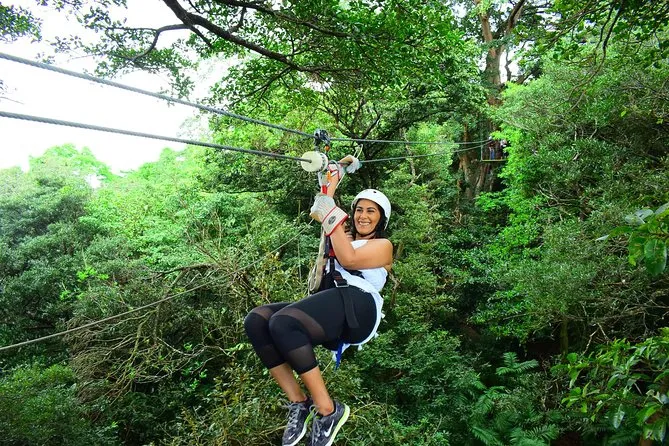
Eco-Adventure Trips are rapidly becoming the preferred way for modern travelers to see the world without leaving a destructive footprint behind. I remember the first time I stood at the edge of a cloud forest in Costa Rica, watching the mist roll over the emerald canopy while the distant call of a howler monkey echoed through the trees. It was a moment of profound clarity where I realized that travel shouldn’t just be about what we take from a destination, but how we can coexist with it. This realization is at the heart of the growing movement toward sustainable exploration, where the thrill of discovery meets a deep commitment to environmental preservation.
When we talk about this kind of travel, we are looking at a beautiful intersection of adrenaline-pumping activities and conscious conservation efforts. It is no longer enough to just visit a beach or hike a mountain; today’s explorers want to know that their presence is actually helping the local ecosystem thrive. Whether it is through carbon-offsetting flights, staying in solar-powered lodges, or participating in reforestation projects, the goal is to leave a place better than we found it. This shift in mindset has transformed the travel industry, pushing tour operators and hospitality brands to rethink their impact on the planet.
The beauty of these journeys is that they cater to a wide range of interests and fitness levels, proving that sustainability is for everyone. You don’t have to be a world-class athlete to enjoy the benefits of a nature-focused vacation. For some, it might mean a quiet week of birdwatching and organic farming in the Andes, while for others, it involves multi-day kayaking expeditions through the fjords of Norway. The common thread is a respect for the natural world and a desire to connect with it on a level that goes far beyond the typical tourist experience.
As we dive deeper into this topic, it is important to understand the pillars that support a truly sustainable journey. These include environmental conservation, cultural integrity, and social equity. By choosing to spend our time and money in ways that support these values, we become part of a global solution rather than a problem. It is a powerful way to vote with our wallets, signaling to the world that we value pristine wilderness and vibrant local cultures over mass-produced, soul-less tourism.
The Core Philosophy of Eco-Adventure Trips
The fundamental idea behind Eco-Adventure Trips is the concept of “Leave No Trace,” which has evolved from a simple backcountry rule into a global standard for ethical travel. When you embark on a journey that prioritizes the environment, you are making a conscious decision to minimize your impact on the land and its inhabitants. This means everything from carrying out your own trash to using biodegradable hygiene products that won’t contaminate local water sources. It is a practice of mindfulness that forces us to slow down and consider the consequences of our actions in every environment we enter.
Experience has shown that the most rewarding trips are those where we step out of our comfort zones and into the rhythm of nature. Imagine waking up to the sound of the ocean and spending your morning helping marine biologists track sea turtle nesting sites. This kind of “citizen science” is a hallmark of high-quality eco-tours, allowing travelers to contribute meaningful data to conservation efforts. It creates a sense of purpose and accomplishment that a standard luxury cruise or resort stay simply cannot provide, turning a simple holiday into a life-changing experience.
Trustworthiness is a critical factor when choosing an operator for your next adventure. With the rise of “greenwashing,” where companies claim to be eco-friendly without actually changing their practices, it is essential to look for legitimate certifications. Organizations like the Global Sustainable Tourism Council or the Rainforest Alliance provide rigorous standards that help travelers identify true leaders in the field. When you book with a certified provider, you can rest easy knowing that your trip is being managed with the highest level of expertise and ethical consideration.
Furthermore, the “adventure” part of the equation is what keeps the experience exciting and engaging. Using human-powered transportation like bicycles, kayaks, or your own two feet is not only better for the environment but also provides a much more intimate view of the landscape. When you are moving slowly through a forest or over a mountain pass, you notice the small details—the scent of wild thyme, the pattern of lichen on a rock, or the intricate song of a local bird. These are the moments that stay with us long after we return home, forming the core of our travel memories.
Planning Your Perfect Eco-Adventure Trips
Planning Eco-Adventure Trips requires a slightly different approach than your average vacation, as it involves more research into the ethics and practices of your chosen destinations. The first step is often identifying a region that is actively working toward sustainability goals. For example, countries like Iceland and Bhutan have become world leaders in balancing tourism with environmental protection. By visiting these places, you are supporting government policies that prioritize the long-term health of the planet over short-term economic gains from mass tourism.
Another crucial aspect of planning is the timing of your visit. High-season tourism can put immense pressure on local resources, from water and electricity to waste management systems. If you can travel during the “shoulder season”—the period just before or after the peak—you can enjoy a more peaceful experience while reducing the strain on the environment. This often results in more authentic interactions with locals, as they are not overwhelmed by the crowds of mid-summer or winter holidays. It is a win-win situation for both the traveler and the host community.
When it comes to accommodation, look for lodges and hotels that are integrated into the local landscape rather than those that disrupt it. Many eco-lodges are built using traditional techniques and local materials, which helps them blend in and reduces the carbon footprint associated with construction. These places often use gray-water recycling systems, composting toilets, and renewable energy sources like wind or solar. Staying in such an environment is an education in itself, showing us that it is entirely possible to live comfortably while staying in harmony with nature.
We must also consider the gear we bring along on our journeys. Sustainable travel starts long before you leave the house, beginning with the choices you make about your equipment. Opting for high-quality, durable gear that will last for years is always better than buying cheap, disposable items that will end up in a landfill. Many brands now use recycled ocean plastics or organic fibers in their clothing and equipment, allowing you to dress for the wild while supporting a circular economy. It is all about making intentional choices that reflect your values.
The Emotional Connection to the Wild
There is a psychological benefit to spending time in nature that is often overlooked in traditional travel guides. Scientists have long studied the effects of “forest bathing” or simply being near large bodies of water, finding that these experiences significantly reduce stress and improve mental clarity. When you combine this natural healing with the physical challenge of an adventure, the result is a profound sense of rejuvenation. It is as if the clutter of our digital, urban lives is stripped away, leaving us with a clearer understanding of what truly matters.
I remember a specific night in the Patagonian wilderness, huddling in a small tent while the wind howled across the granite peaks of the Andes. There was no cell service, no electricity, and no distractions. In that silence, I felt a deep connection to the earth that I had never experienced in a city. It was a humbling reminder of our smallness in the face of nature’s power. This kind of humility is a gift that sustainable travel gives us, helping us to move through the world with more grace and less entitlement.
This emotional resonance is what drives people to become advocates for the environment. Once you have seen the melting glaciers of the Arctic or the bleached coral reefs of the Pacific, you are much more likely to support policies that combat climate change. Travel, in this sense, is the ultimate form of education. It turns abstract global issues into tangible, personal stories. We protect what we love, and Eco-Adventure Trips provide the perfect opportunity to fall in love with the world all over again.
Moreover, these trips often foster a sense of community among like-minded travelers. There is something about sharing a difficult climb or a rainy day on a river that builds bonds very quickly. You meet people from all walks of life who share your commitment to the planet, leading to deep conversations and lasting friendships. In an increasingly divided world, these shared values provide a common ground where we can celebrate our common humanity and our collective responsibility to the earth.
Gear for the Conscious Traveler
Choosing the right gear is a fundamental part of the experience, and it is an area where your expertise as a traveler can really shine. The market for outdoor equipment has exploded in recent years, but not all products are created equal. For a successful adventure, you need gear that is not only functional but also ethically produced. This means looking into the supply chains of the brands you support. Do they pay their workers a fair wage? Do they use PFC-free coatings for their waterproof jackets? These are the questions that define a truly conscious consumer.
One of my favorite pieces of gear is a simple, high-quality water filtration system. In many parts of the world, tap water isn’t safe to drink, leading tourists to buy millions of single-use plastic bottles. By carrying a portable filter or a UV purifier, you can safely drink from taps or even streams, completely eliminating your plastic waste. It is a small change that makes a massive difference over the course of a two-week trip. Similarly, bringing your own reusable utensils and a cloth bag for shopping can prevent a surprising amount of waste from entering the local environment.
Footwear is another area where quality is paramount. A good pair of hiking boots is an investment in your physical well-being and your safety on the trail. Look for brands that offer repair services, so when the soles eventually wear down, you can have them replaced rather than throwing the whole boot away. This “repair over replace” mindset is a key part of the sustainable lifestyle. It honors the resources that went into making the item and reduces the overall demand for new products.
Lastly, consider the digital gear you bring. While we all want to capture beautiful photos of our travels, the energy used to power our devices and store our data has a real environmental cost. Using solar chargers can help you stay powered up while off the grid, and being mindful of how much “e-waste” we generate is important. Try to keep your electronics for as long as possible, and when they do reach the end of their life, ensure they are recycled properly through a specialized facility.
The Ripple Effect on Local Communities
A major component of the EEAT framework is the social impact of our travels. True sustainability must include the people who live in the destinations we visit. When tourism is done right, it can be a powerful engine for social equity and economic development. By choosing locally-owned lodges, eating at family-run restaurants, and hiring local guides, we ensure that our money stays in the community. This allows residents to protect their natural resources rather than feeling forced to exploit them for survival through activities like logging or poaching.
I have seen firsthand how a small eco-tourism project in a remote village can transform lives. With the income from birdwatching tours, a community was able to build a school and a small clinic. The local youth, who might have otherwise moved to the city in search of work, were trained as professional guides, allowing them to stay in their ancestral homes and share their culture with pride. This is the “social” side of sustainability, and it is just as important as the environmental side. It creates a “virtuous cycle” where the protection of nature leads to the prosperity of the people.
Working with local guides also provides a much richer travel experience. These individuals have an intimate knowledge of the land that no guidebook can match. They can point out the medicinal uses of local plants, tell stories about the history of the mountains, and help you navigate cultural nuances that you might otherwise miss. Their expertise is a vital part of the adventure, adding layers of meaning and context to every step you take. It is a form of cultural exchange that enriches both the visitor and the host.
However, it is important to be mindful of how we interact with local cultures. “Cultural tourism” can sometimes become exploitative if it is not managed with respect and dignity. Always ask for permission before taking photos of people, and try to learn a few basic phrases in the local language. Respecting local customs, even if they are different from our own, is a key part of being an ethical traveler. It is about moving through the world with curiosity and respect rather than a sense of entitlement.
Wildlife Watching with Integrity
One of the biggest draws of Eco-Adventure Trips is the opportunity to see incredible wildlife in its natural habitat. Whether it is tracking lions in the Serengeti or watching whales in the Pacific, these encounters are often the highlight of a trip. However, wildlife tourism must be handled with extreme care to avoid stressing the animals or disrupting their natural behaviors. The rule of thumb is always to observe from a distance and never, ever feed or touch wild animals.
Ethical operators will prioritize the well-being of the animals over the desires of the tourists. This might mean that you don’t get as close to a tiger as you would like, or that a boat captain refuses to chase a pod of dolphins. While this can be frustrating in the moment, it is essential for the long-term health of the species. A good guide will explain the reasons behind these rules, helping you understand the complex biology and behavior of the creatures you are watching. This education is what turns a simple sighting into a profound learning experience.
We must also be wary of attractions that involve captive animals, such as elephant riding or tiger selfies. These activities almost always involve some level of animal cruelty and do nothing to support conservation in the wild. A truly sustainable adventure will focus on seeing animals where they belong—in the wild—under the guidance of experts who respect their space. By refusing to support exploitative animal attractions, we help to shut down an industry that thrives on suffering.
In many cases, the revenue from wildlife tourism is what funds the guards and rangers who protect these animals from poachers. When you pay for a permit to see mountain gorillas in Rwanda or a national park fee in Kenya, you are directly contributing to the survival of those species. It is a powerful example of how tourism can be a force for good. Your presence as a quiet, respectful observer provides the economic incentive for governments and communities to keep their forests and oceans intact.
The Science of Ecotourism and Future Trends
The field of ecotourism is constantly evolving as we learn more about the impacts of human travel on the environment. Scientists and researchers are now using sophisticated tools like satellite imagery and DNA sampling to monitor the health of tourist-heavy areas. This data allows for “adaptive management,” where the number of visitors can be adjusted in real-time to prevent environmental degradation. It is a high-tech approach to conservation that ensures we don’t accidentally love our favorite places to death.
One of the most exciting trends is the move toward “regenerative travel.” While “sustainable travel” aims to maintain the current state of a destination, “regenerative travel” aims to actually improve it. This might involve travelers participating in ocean cleanup projects or helping to build sustainable infrastructure in rural areas. It is an even more active and engaged form of exploration that appeals to the growing number of people who want their lives—and their vacations—to have a positive impact on the world.
We are also seeing a rise in “low-carbon” travel itineraries that prioritize trains and buses over domestic flights. In Europe and Asia, high-speed rail networks make it easy to cover long distances without the massive carbon footprint of air travel. Even in places without extensive rail networks, “overlanding” in fuel-efficient vehicles is becoming more popular. The journey itself becomes part of the adventure, allowing you to see the gradual change in landscape and culture that you miss when you are flying at 30,000 feet.
Technology is also playing a role in making travel more sustainable. Apps can now help you track your carbon footprint in real-time, suggest eco-friendly restaurants near you, and provide digital maps that reduce the need for paper guides. Virtual Reality is even being used to provide “armchair adventures” for those who cannot travel, reducing the overall demand for physical visits to fragile ecosystems. While nothing can replace the feeling of being there in person, these digital tools are helping us to manage our global footprint more effectively.
Mindset and the Mental Health Benefits
The true success of an eco-adventure is often measured not by the distance covered or the summits reached, but by the shift in the traveler’s internal state. There is a specific kind of clarity that comes from being away from the constant noise of modern life. When your only concerns are finding the trail, staying hydrated, and reaching your campsite before dark, life becomes beautifully simple. This simplicity is a powerful antidote to the “burnout” culture that affects so many of us today.
Many travelers report a sense of “awe” when confronted with the vastness of the natural world. Psychologists have found that experiencing awe can make us more patient, more generous, and more satisfied with our lives. It pulls us out of our own small dramas and connects us to something much larger and more enduring. In this way, a journey into the wild is a journey into the self. It provides the perspective we need to return to our daily lives with a renewed sense of purpose and energy.
Furthermore, the physical activity involved in these trips triggers the release of endorphins and dopamine, the body’s natural “feel-good” chemicals. Whether you are trekking through a rainforest or snorkeling over a reef, your body is moving and your senses are engaged. This creates a state of “flow” where you are fully present in the moment, a rare and precious experience in our distracted age. It is the ultimate form of self-care, benefiting the mind, body, and spirit all at once.
As we move forward into a future that will undoubtedly be shaped by environmental challenges, the lessons we learn from sustainable travel will become even more valuable. We are learning how to live with less, how to respect boundaries, and how to appreciate the incredible beauty of our planet. By choosing to explore the world through the lens of an eco-adventurer, we are not just taking a vacation; we are participating in a global movement toward a more conscious and compassionate way of life. The world is waiting, and it is more beautiful and fragile than we ever imagined.
Read also :-
