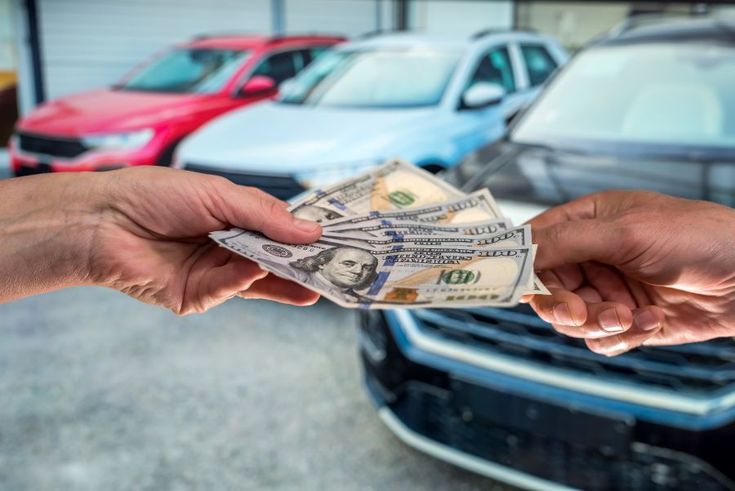
car repair cost estimation is no longer just a mechanic’s responsibility—it’s a smart car owner’s superpower.
Imagine this. Your car starts making a strange noise on the way to work. You pull into a nearby garage, and within minutes, you’re handed a repair quote that feels… expensive. You’re left wondering: Is this fair? Am I being overcharged? Do I even need all these repairs right now?
This is where understanding car repair cost estimation becomes a real-life advantage. When you have even a basic idea of how repair costs are calculated, you move from being a passive customer to an informed decision-maker. You don’t need to be a mechanic. You just need clarity.
In today’s world, where vehicles are becoming more complex and repair bills are rising, knowing how costs are estimated can save you money, time, and stress. This guide walks you through the real mechanics behind pricing, using everyday language, practical examples, and expert-backed insights—no jargon, no fluff.
Why Car Owners Need to Understand Repair Cost Estimates
Cars are essential to modern life, yet most people feel uneasy when it’s time for repairs. That discomfort often comes from uncertainty. Repair bills usually combine labor charges, parts pricing, diagnostic fees, and taxes, all rolled into a single number with little explanation.
Understanding how estimates are created helps you ask better questions and recognize red flags early. For example, two garages might quote very different prices for the same issue, not because one is dishonest, but because labor rates, part quality, and diagnostic methods vary.
With basic knowledge, you can tell the difference between a reasonable estimate and an inflated one. You also gain confidence when deciding whether to repair immediately, delay safely, or seek a second opinion.
How Mechanics Actually Calculate Repair Costs
Behind every estimate is a methodical process. Mechanics don’t guess numbers randomly. Most professional garages rely on standardized labor guides, manufacturer recommendations, and real-world experience.
The process usually begins with diagnostics. Modern cars use onboard computers, and scanning tools are required to identify fault codes. Once the issue is diagnosed, the mechanic checks labor time estimates published by manufacturers or industry databases. These guides list how many hours a repair should take under normal conditions.
Parts pricing is then added. This includes choices between original equipment manufacturer parts, aftermarket alternatives, or refurbished components. Each option affects the final cost.
Finally, overhead costs such as shop rent, equipment maintenance, and technician expertise are factored into labor rates. All of this comes together to form the final estimate.
Key Factors That Influence Repair Estimates
Several elements can significantly change the cost of repairs, even for the same problem. Vehicle make and model play a major role. Luxury or imported vehicles often require specialized tools and parts, increasing costs.
Location matters too. Labor rates in urban areas are generally higher than in smaller towns due to higher operating expenses. The age of your vehicle also influences pricing, as older cars may require additional labor due to wear, corrosion, or discontinued parts.
Urgency is another hidden factor. Emergency or same-day repairs often cost more because they disrupt the shop’s workflow. Understanding these influences helps you see the bigger picture behind the numbers.
car repair cost estimation in Real Life: A Practical Example
Let’s take a common issue: brake replacement. One driver receives a quote of ₹6,000, while another is quoted ₹10,000 for what sounds like the same job. The difference usually lies in the details.
One garage may be using premium brake pads with a longer lifespan, while the other opts for budget alternatives. Labor rates might differ based on technician experience or shop reputation. Additional services like rotor resurfacing may or may not be included.
This is why car repair cost estimation should never be viewed as just a final number. It’s a breakdown of choices, quality, and expertise bundled together.
Digital Tools Changing How Estimates Are Done
Technology has transformed the way repair costs are estimated. Online platforms and mobile apps now allow car owners to input their vehicle details and symptoms to receive approximate repair ranges.
While these tools don’t replace professional inspections, they provide a valuable reference point. They help you walk into a garage with realistic expectations rather than blind trust.
Experienced mechanics also use advanced diagnostic software that connects directly to a vehicle’s onboard systems. This improves accuracy and reduces guesswork, which benefits both the shop and the customer.
Why Estimates Sometimes Change After Inspection
One of the most frustrating experiences for car owners is when the final bill is higher than the initial estimate. This doesn’t always mean dishonesty. Cars often hide underlying problems that only become visible once repairs begin.
For instance, replacing a leaking hose may reveal corrosion in nearby components. Ethical garages will pause work, explain the situation, and update the estimate before proceeding.
Clear communication is a hallmark of trustworthy repair shops. Understanding this process helps you stay calm and informed when changes occur.
car repair cost estimation and the Role of Transparency
Transparency builds trust. Reputable garages explain what needs fixing, why it matters, and how much it will cost. They welcome questions and provide written estimates instead of vague verbal promises.
If a mechanic avoids explaining charges or pressures you into immediate decisions, that’s a warning sign. Knowledge of car repair cost estimation empowers you to slow the process down and make informed choices.
Shops that value long-term relationships prioritize honesty over quick profits. They know educated customers are more likely to return.
How Experience and Expertise Affect Pricing
Highly skilled technicians may charge higher labor rates, but their expertise often leads to faster diagnostics and more accurate repairs. This can actually save money in the long run by preventing repeat visits.
Certified mechanics invest years in training and stay updated with evolving vehicle technologies. Their estimates reflect not just time spent, but the value of experience and precision.
Choosing the cheapest option isn’t always the most economical decision. Quality workmanship reduces future repair risks.
Common Misconceptions About Repair Costs
Many people believe that dealerships always overcharge and local garages are always cheaper. In reality, dealerships may offer competitive pricing for certain repairs due to access to manufacturer parts and specialized tools.
Another misconception is that estimates are fixed prices. Estimates are informed predictions, not guarantees. Understanding this distinction prevents disappointment and builds realistic expectations.
How to Use Estimates to Your Advantage
When you understand estimates, you can compare them intelligently. Instead of asking, “Why is this so expensive?” you can ask, “What parts are included?” or “Is this labor time standard for my vehicle?”
This approach shifts the conversation from confrontation to collaboration. Mechanics appreciate informed customers who respect their expertise while protecting their own interests.
Over time, this knowledge helps you build relationships with reliable service providers who value transparency and professionalism.
The Long-Term Value of Learning Cost Estimation Basics
Cars are long-term investments, and maintenance decisions affect their lifespan, resale value, and safety. Learning the basics of repair cost estimation isn’t just about saving money today; it’s about making smarter decisions over the life of your vehicle.
You’ll know when a repair is urgent, when it can wait, and when it’s time to consider replacement instead of repair. That clarity reduces anxiety and builds confidence.
Trust, Data, and Decision-Making in Modern Repairs
Modern automotive repair sits at the intersection of data and trust. Diagnostic tools provide data, but interpretation requires human expertise. Estimates are where these two elements meet.
By understanding how costs are calculated, you bridge the gap between technical complexity and everyday decision-making. You don’t need to master mechanics—you just need enough insight to stay in control.
Final Takeaway Without a Final Thoughts Section
Owning a car doesn’t mean surrendering control to confusing repair bills. With awareness, clear communication, and a basic understanding of car repair cost estimation, you become an active participant in maintaining your vehicle.
The road to smarter car ownership starts with knowledge, not guesswork. When you know how estimates work, every repair becomes less intimidating and far more manageable.
Read also:
afghanistan national cricket team vs zimbabwe national cricket team match scorecard
wellhealthorganic.com:vegetarian protein sources
rs 125 only on thespark shop men jackets
