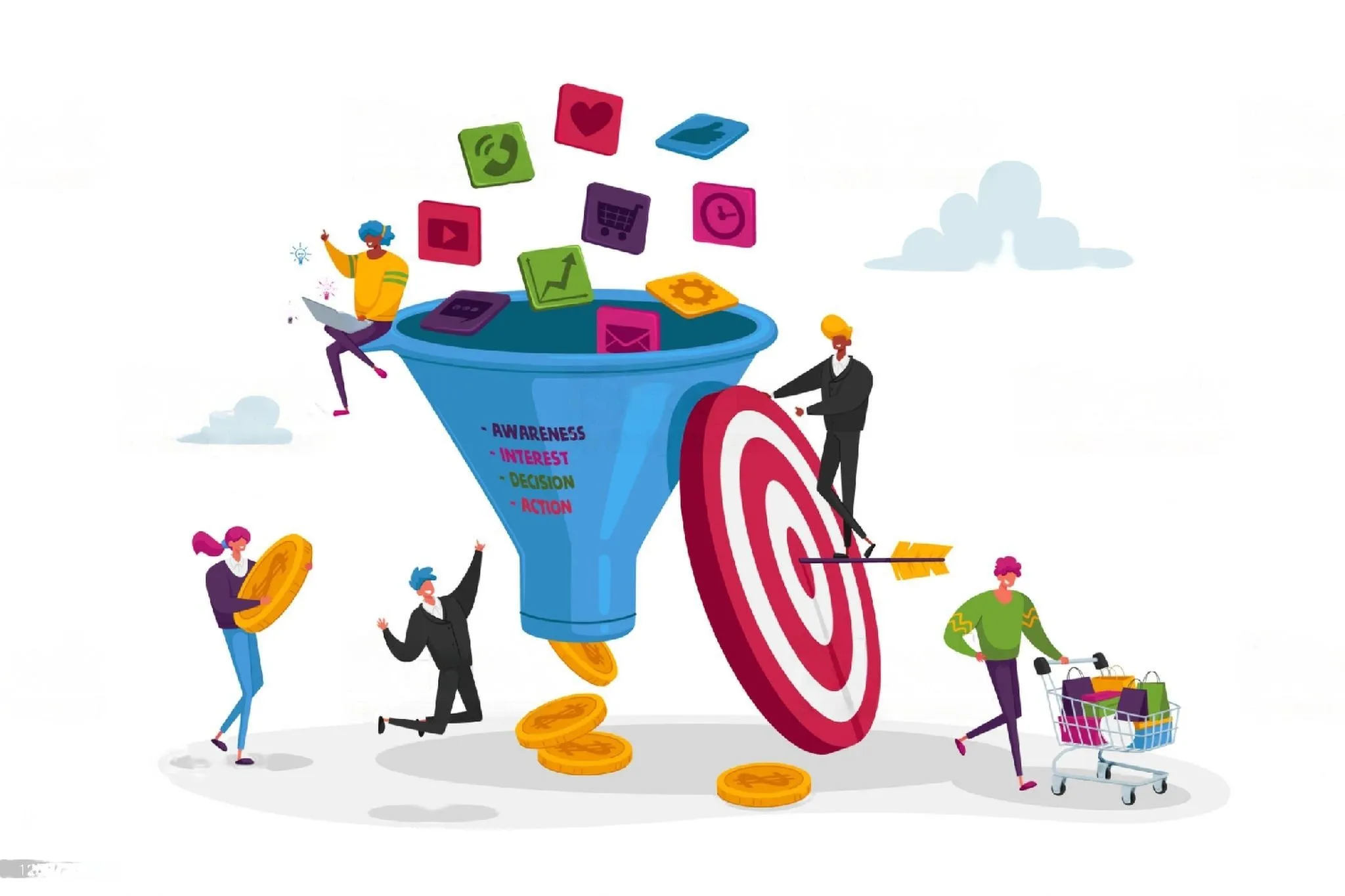
In today’s fast-paced digital landscape, businesses and marketers are constantly seeking efficient ways to connect with audiences and drive conversions. Automated social media funnels have emerged as a transformative strategy, enabling brands to guide potential customers from initial engagement to final purchase with minimal manual effort. By leveraging automation tools, these funnels streamline marketing processes, enhance customer experiences, and boost overall efficiency. This article delves into the concept of automated social media funnels, their components, benefits, and practical steps to implement them effectively.
What Are Automated Social Media Funnels?
Automated social media funnels refer to a structured system that uses automation tools to guide users through a series of steps on social media platforms, ultimately leading to a desired action, such as a purchase or sign-up. Unlike traditional marketing funnels, which often require manual intervention, these funnels rely on software to deliver targeted content, respond to user actions, and nurture leads. The process typically begins with attracting an audience through engaging posts or ads and progresses through stages like engagement, lead capture, nurturing, and conversion, all orchestrated seamlessly via automation.
The Components of an Effective Funnel
A successful automated social media funnel comprises several key elements. First, compelling content—such as videos, infographics, or posts—grabs attention and draws users into the funnel. Next, targeted advertisements, often powered by platforms like Facebook Ads or Instagram Ads, help reach specific demographics. Automation tools, such as chatbots or CRM systems, then engage users by responding to comments, answering queries, or sending personalized messages. Lead capture mechanisms, like sign-up forms or downloadable resources, collect user information. Finally, email or direct message sequences nurture leads by providing relevant information, guiding them toward conversion.
Read also: wheonx.com
Why Automation Matters in Social Media Marketing
Automation is the backbone of these funnels, offering significant advantages over manual methods. It saves time by handling repetitive tasks, such as posting schedules or responding to common inquiries, allowing marketers to focus on strategy and creativity. Additionally, automated social media funnels ensure consistency in messaging, as tools can deliver pre-set content at optimal times. They also enable precise targeting, using data analytics to tailor content to user preferences, behaviors, and demographics. This precision increases engagement rates and improves the likelihood of conversions.
Benefits of Implementing Automated Social Media Funnels
The adoption of automated social media funnels brings multiple benefits. First, they enhance scalability, allowing businesses to manage thousands of leads simultaneously without additional resources. They also improve customer experience by providing timely, relevant interactions—such as instant responses to comments or personalized offers. Moreover, these funnels offer measurable results, as analytics tools track user behavior, click-through rates, and conversion metrics, enabling data-driven optimizations. Cost-efficiency is another advantage, as automation reduces the need for large marketing teams, making it ideal for small businesses or startups.
Know More: wheon games
Steps to Build an Automated Social Media Funnel
Creating an effective automated social media funnel requires a strategic approach. Start by defining your target audience and their pain points to craft relevant content. Choose the right platforms—such as Instagram, LinkedIn, or Twitter—based on where your audience is most active. Next, select automation tools like Hootsuite, Buffer, or HubSpot to schedule posts, manage interactions, and track performance. Design a content sequence that guides users through the funnel stages, from awareness (e.g., engaging videos) to decision (e.g., limited-time offers). Integrate lead capture tools, such as landing pages or chatbots, to collect user data. Finally, set up automated follow-ups, like email drip campaigns, to nurture leads and encourage conversions.
Common Challenges and How to Overcome Them
While automated social media funnels are powerful, they come with challenges. Over-automation can make interactions feel impersonal, potentially alienating users. To counter this, balance automation with authentic, human-like responses, such as personalized messages. Another challenge is platform algorithm changes, which can affect content visibility. Staying updated on platform policies and adjusting strategies accordingly is crucial. Additionally, poor targeting can waste resources; using detailed analytics to refine audience segments ensures better results. Regular testing and tweaking of funnel elements, such as ad copy or call-to-action buttons, can further optimize performance.
Explore More: wheon
Real-World Applications and Success Stories
Businesses across industries have successfully implemented automated social media funnels. For example, e-commerce brands use Instagram’s shopping features combined with chatbots to guide users from product discovery to checkout. Fitness coaches leverage automated funnels on Facebook, offering free workout guides to capture leads, followed by email sequences promoting paid programs. B2B companies use LinkedIn’s automation tools to share whitepapers, collect leads, and nurture them with tailored content. These examples highlight how automated social media funnels can be adapted to diverse goals, from sales to brand awareness.
The Future of Automated Social Media Funnels
As technology evolves, automated social media funnels are poised to become even more sophisticated. Artificial intelligence and machine learning are enhancing personalization, enabling funnels to deliver hyper-targeted content based on real-time user behavior. Emerging platforms, like TikTok, are also expanding opportunities for creative funnel strategies. Additionally, integration with other technologies, such as voice assistants or augmented reality, could redefine how funnels engage users. Staying ahead requires marketers to embrace new tools, monitor trends, and continuously refine their automated social media funnels to remain competitive.
Visit For More Info: wheon com
Getting Started with Your Funnel
Building an automated social media funnel may seem daunting, but starting small can yield significant results. Begin with one platform and a simple goal, such as capturing email leads. Use free or affordable automation tools to test your funnel, analyze performance, and scale gradually. By focusing on audience needs, leveraging data, and refining your approach, automated social media funnels can transform your marketing efforts, driving growth and engagement with minimal effort.
