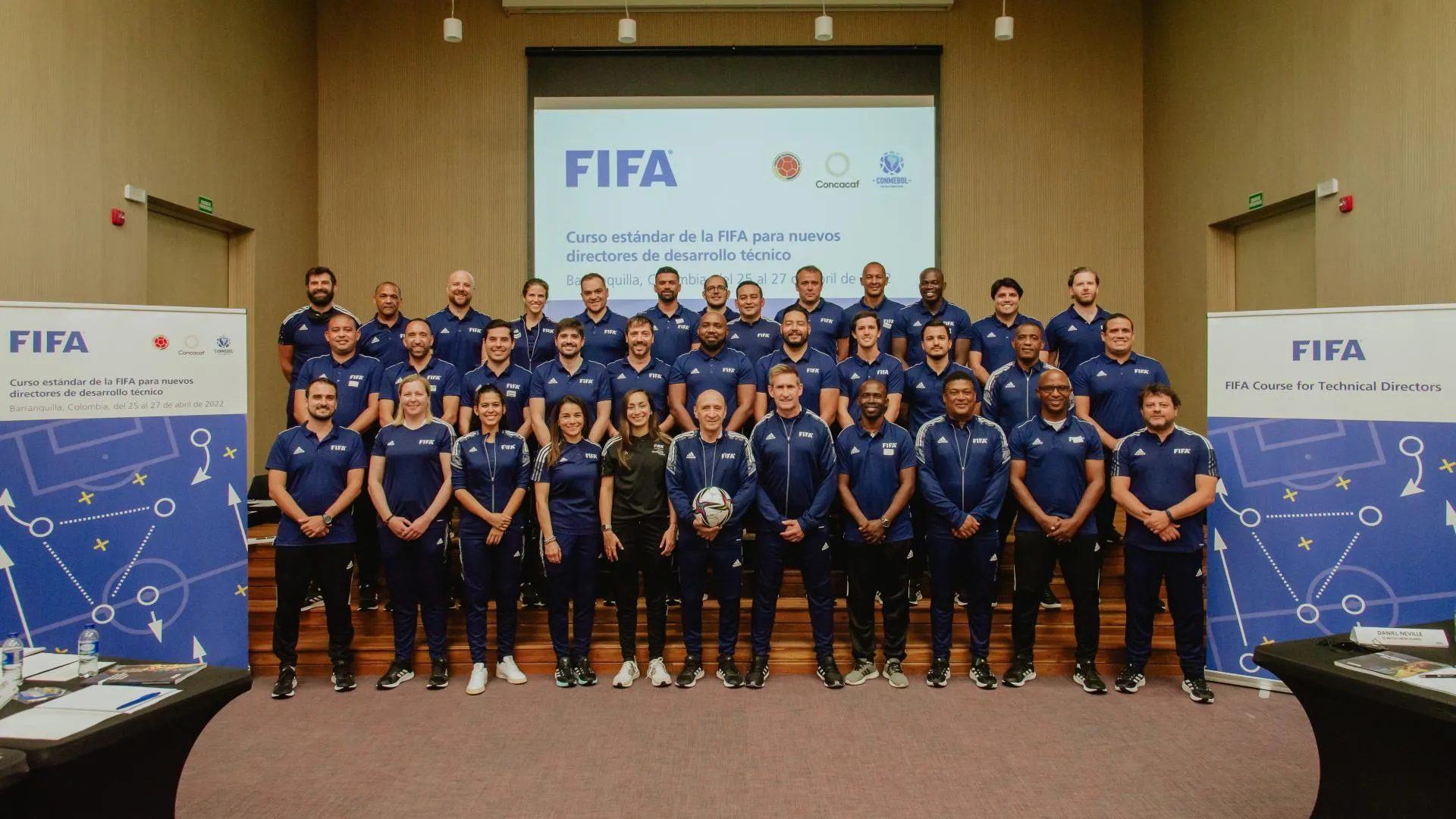
FIFA technical study grou0p activities represent the pinnacle of footballing analysis, peeling back the layers of every pass, tackle, and tactical shift during the world’s biggest tournaments. While billions of fans across the globe are mesmerized by the magic of a last-minute goal or a breathtaking dribble, this specialized team of experts is busy dissecting the mechanics behind the spectacle. They serve as the intellectual engine of international football, ensuring that every tournament leaves behind a legacy of knowledge that coaches and players can use to improve the sport for years to come.
The origins of this group date back to 1966, a time when the game was beginning to transition into the modern era we recognize today. Back then, the analysis was far more observational and less data-driven, relying on the sharp eyes of legendary figures to identify why certain teams were succeeding while others failed. Over the decades, this process has evolved from simple handwritten notes into a sophisticated operation involving high-definition cameras, electronic tracking systems, and advanced data modeling.
In the contemporary landscape, the presence of the FIFA technical study group is more vital than ever because the margins between victory and defeat have become incredibly thin. Elite teams are so well-prepared that traditional scouting is often not enough to gain an edge. This group provides the objective, high-level data that helps the footballing community understand where the game is heading, identifying trends like the rise of the high press or the changing role of the modern goalkeeper.
To truly appreciate the work they do, one must look at the names involved in these projects. This is not a team of mathematicians who have never kicked a ball; it is a collection of some of the most respected minds in the history of the sport. From iconic former players to legendary managers, these individuals bring a wealth of practical experience that balances out the raw data, providing a human perspective on why specific tactical decisions are made in the heat of a World Cup match.
The Core Mission of the FIFA technical study group
The primary objective of the FIFA technical study group is to provide a comprehensive, technical overview of FIFA competitions to identify the latest trends and developments in the game. This goes beyond just counting the number of shots or corner kicks taken during a match. They look at the “how” and the “why,” such as how a team transitions from defense to attack or why certain defensive blocks are more effective against specific styles of play.
This mission is driven by a desire to share knowledge across all 211 member associations. FIFA believes that by democratizing this high-level analysis, they can help raise the overall standard of football globally. When a coach in a developing football nation reads a report on the tactical nuances of a World Cup winner, they gain insights that were previously only available to the elite clubs in Europe or South America.
Furthermore, the group plays a crucial role in the selection of individual awards. When you hear about the Golden Ball or the Best Young Player award, the decisions are heavily influenced by the technical evaluations provided by these experts. They look past the headlines and the social media hype to evaluate which players truly had the most significant impact on their team’s performance from a tactical and technical standpoint.
In recent years, the scope of their work has expanded significantly under the leadership of Arsène Wenger, who has brought a renewed focus on global talent development. Wenger’s vision is to ensure that every talent gets a chance, and the technical reports produced by the group are a key part of that puzzle. By identifying the skills required to succeed at the highest level, they provide a roadmap for youth academies around the world to follow.
Behind the Data: How the FIFA technical study group Operates
The logistical operation behind the FIFA technical study group during a tournament is nothing short of extraordinary. They occupy specialized observation areas in the stadium, equipped with multiple monitors that show different angles of the pitch. While the broadcast camera follows the ball, the TSG cameras are often zoomed out to show the movement of the entire team, allowing them to see how the defensive line shifts or how strikers find space off the ball.
Every match is analyzed by a dedicated team that includes a technical expert and a data scientist. This synergy is essential in the modern era. The data scientist can provide instant feedback on metrics like “line-breaking passes” or “pressure intensity,” while the technical expert can explain the psychological or tactical context behind those numbers. This collaborative approach ensures that the final report is both scientifically accurate and practically relevant.
One of the most fascinating aspects of their modern operation is the use of Enhanced Football Intelligence (EFI). This system provides over 15,000 data points per game, giving the group an unprecedented level of detail to work with. They can track the physical exertion of every player, the speed of every pass, and even the “passing options” available to a player at any given second. This level of granularity has transformed the way we understand the game’s complexity.
After the final whistle, the work of the FIFA technical study group is far from over. They engage in lengthy debriefings, comparing notes and discussing the key turning points of the match. These discussions are often heated, as experts with different footballing philosophies debate the merits of various tactical approaches. It is this diversity of thought that makes their final reports so rich and authoritative, representing a consensus reached by some of the brightest minds in the game.
The impact of this work is felt most strongly in the coaching community. National team managers often wait for the official technical report to be released after a tournament so they can see how their own team’s metrics compare to the global elite. It serves as a benchmark for performance, highlighting areas where a team might be falling behind in terms of technical skill or tactical discipline. In many ways, the TSG sets the “standard” for what excellence looks like in modern football.
We must also acknowledge the role of the group in the evolution of specific positions. For example, the way we view goalkeepers has changed dramatically due to the reports published by the group. They were among the first to highlight the “sweeper-keeper” role, showing how a goalkeeper’s ability to play with their feet could act as an eleventh outfield player in the build-up phase. This insight has led to a total shift in how young goalkeepers are trained at the grassroots level.
Similarly, the role of the fullback has been redefined through the lens of TSG analysis. They have documented the transition of fullbacks from purely defensive players into the primary playmakers for many elite teams. By showcasing the crossing accuracy and the distance covered by modern fullbacks, the group has provided the evidence needed for coaches to adapt their systems to utilize these players more effectively.
The group also focuses heavily on the “off-the-ball” movement, which is often the most difficult thing for casual fans to track. They analyze how players create “passing lanes” and how they draw defenders away to create space for their teammates. These subtle movements are often the difference between a stalled attack and a goal-scoring opportunity. By quantifying these movements, the group makes the invisible parts of the game visible to everyone.
Another area where the FIFA technical study group provides immense value is in the study of set-pieces. In recent tournaments, the percentage of goals scored from corners and free-kicks has fluctuated, and the TSG is always there to explain why. Whether it is a new defensive setup or a creative routine to bypass the wall, they provide the technical breakdowns that allow other coaches to replicate or defend against these strategies.
The group’s influence also extends to the physical side of the game. By analyzing the distance covered and the number of high-intensity sprints, they help the sports science community understand the physical demands of elite football. This information is vital for injury prevention and for designing training programs that prepare players for the rigors of a short, high-pressure tournament like the World Cup.
In addition to their work during the men’s World Cup, the group is equally active in the Women’s World Cup and youth tournaments. The analysis of the women’s game has been particularly important in documenting the rapid professionalization and technical improvement of female athletes. The reports from these tournaments show that the tactical gap between the men’s and women’s games is closing, with female teams displaying the same level of tactical sophistication as their male counterparts.
The youth tournaments provide a glimpse into the future of the sport. The group analyzes these competitions to identify the next generation of superstars and to see which nations are producing the most technically gifted players. For a scout or a club director, these reports are like a treasure map, identifying the regions where the best talent is being developed through superior coaching and infrastructure.
It is also important to note the educational role that the group plays. The reports are not just static documents; they are often accompanied by video clips and interactive data visualizations. This makes the information accessible to a wide audience, from professional coaches to students of the game. The group frequently presents their findings at coaching conferences and seminars, engaging directly with the people who are responsible for the day-to-day development of football.
The philosophy of the FIFA technical study group is rooted in the belief that football is a living, breathing entity that is constantly changing. They do not seek to impose a single “correct” way to play the game; instead, they celebrate the diversity of styles that make the sport so captivating. Whether it is the patient possession of a Spanish side or the explosive counter-attacking of a French team, the group seeks to understand the merits of every approach.
One of the challenges they face is the sheer volume of data now available. In an era where every movement is tracked, the danger is that one can get lost in the numbers and lose sight of the essence of the game. This is where the “legends” come in. A player like Jürgen Klinsmann or Sunday Oliseh can look at a spreadsheet and instantly tell you which numbers actually matter and which are just noise. Their “footballing gut” remains an essential part of the process.
The group also looks at the social and cultural factors that influence how football is played in different parts of the world. They recognize that a team’s style is often a reflection of its national identity and history. By documenting these differences, they help the global community appreciate the richness and variety of the international game. This cultural sensitivity is a key part of their mission to unite the world through football.
As technology continues to advance, the work of the group will only become more sophisticated. We can expect to see more use of artificial intelligence and machine learning to predict game outcomes and identify even more subtle tactical trends. However, the core of their work will always be the human eye and the collective wisdom of people who have spent their lives in the game. No algorithm can perfectly capture the emotion and the unpredictability that make football the most popular sport on the planet.
The reports produced by the FIFA technical study group serve as a permanent record of each tournament. Long after the fans have gone home and the stadiums have fallen silent, these documents remain as a testament to the skill and the strategy of the players and coaches. They are the history books of the tactical world, ensuring that the lessons learned on the pitch are never forgotten.
For anyone who wants to truly understand football at its highest level, the findings of this group are essential reading. They provide the context and the clarity that turn a chaotic game into a structured masterpiece of human achievement. By bridging the gap between raw data and practical experience, they have become the ultimate authority on the state of the modern game.
The commitment to excellence shown by the group is a reflection of FIFA’s broader goals for the sport. By investing in high-level analysis and sharing it with the world, they are ensuring that the game continues to grow and evolve. The work of the TSG is a gift to everyone who loves football, providing a deeper appreciation for the technical and tactical beauty of the sport.
The next time you watch a major final, take a moment to think about the experts sitting in the stands, quietly documenting every move. They are not just watching a game; they are studying a science. Their insights will shape the training sessions of tomorrow and the strategies of the next generation of champions. Through their work, the FIFA technical study group ensures that the beautiful game remains just as smart as it is spectacular.
Their dedication to the sport is a reminder that football is more than just a game of chance. It is a game of skill, thought, and constant adaptation. As long as there are people willing to study the game with such intensity and passion, the future of football is in good hands. The group’s work ensures that every goal scored and every trophy lifted is understood within the grand narrative of the sport’s ongoing evolution.
As the game moves forward into a new era of digital transformation, the importance of this specialized analysis will only grow. The group will continue to be at the forefront of this journey, guiding the footballing world through the complexities of the modern era. Their reports will continue to inspire, educate, and challenge coaches and players to reach for new heights of excellence, ensuring that the beautiful game remains the greatest show on Earth.
Read also :-
mexico national football team vs ecuador national football team lineups
sc internacional vs mexico national football team lineups
