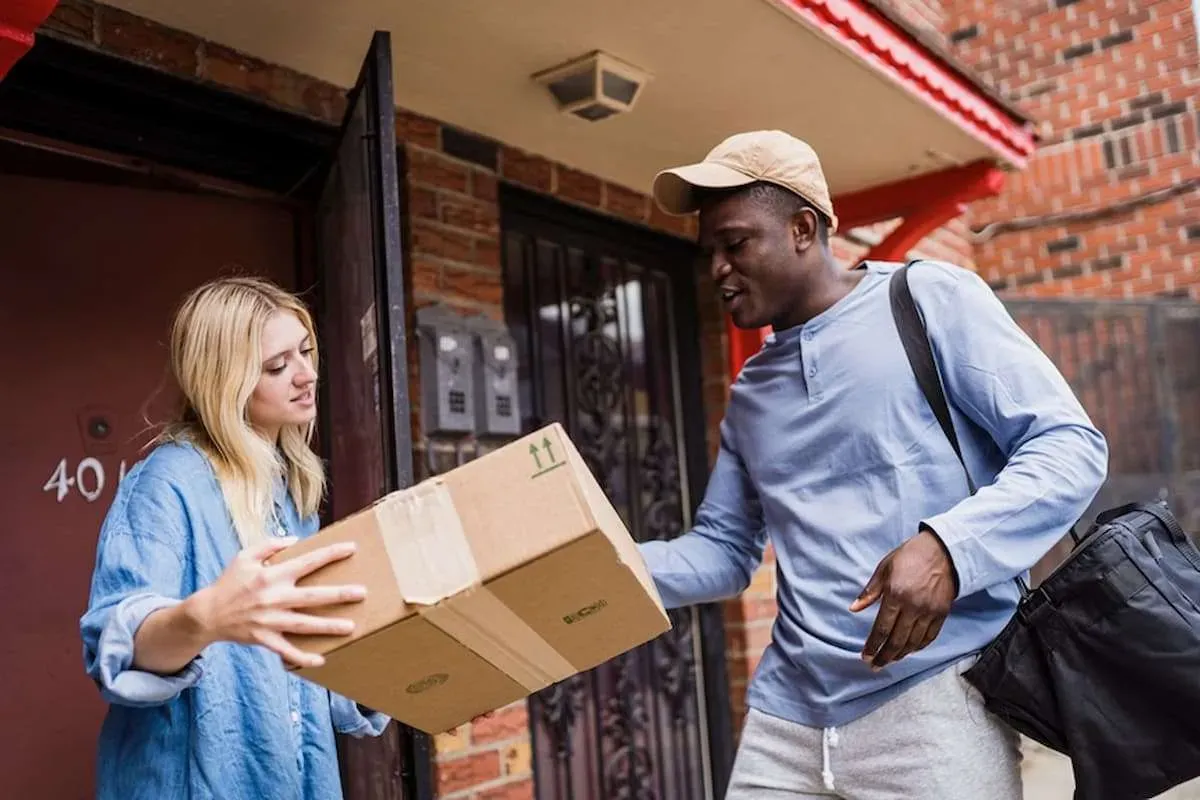
Last-mile delivery challenges are the reason a package that travels 1,000 kilometers smoothly can still get delayed just 2 kilometers away from the customer’s doorstep. It sounds strange, but it’s true—and if you’ve ever tracked an order that stayed on “Out for Delivery” all day, you’ve already felt this problem firsthand.
Last-mile delivery is the final step of shipping, where a parcel moves from a local hub to the customer. This stage looks simple, but it’s often the most expensive, unpredictable, and stressful part of logistics.
In this guest post, we’ll break down what makes last-mile delivery so complicated, why it impacts customer satisfaction so heavily, and how brands, courier companies, and delivery partners can solve these issues using smarter planning, better communication, and real-world strategies.
What Last-Mile Delivery Really Means (And Why It Matters So Much)
Last-mile delivery is the final leg of a shipment journey. It’s the moment when a package is handed over to the customer at their home, office, or pickup point.
This part matters more than any other stage because it’s the only stage the customer actually experiences directly. A customer doesn’t see your warehouse efficiency or your long-distance transport network. They judge the delivery experience by whether it arrives on time, in good condition, and with proper updates.
The last mile also decides customer loyalty. A smooth delivery builds trust instantly. A delayed or failed delivery makes customers hesitate before ordering again—even if your product is excellent.
For businesses, last-mile performance is no longer a “backend” function. It’s a front-facing brand experience.
Why Last-Mile Delivery Is the Most Expensive Part of Logistics
Many people assume long-distance shipping costs the most, but last-mile delivery often takes the biggest share of the total delivery cost.
The main reason is low drop density. A delivery vehicle may travel far just to deliver a few packages in a neighborhood, especially in areas with scattered homes or strict entry rules.
Another reason is time waste. Delivery agents lose time in traffic, searching for addresses, calling customers, and waiting at gates or security checkpoints.
Also, last-mile delivery involves higher human effort. Unlike bulk transportation, this stage requires repeated stops, frequent handling, and direct customer interaction.
When time, fuel, and labor costs combine, the final stretch becomes the most expensive stretch.
Last-mile delivery challenges That Hurt Customer Trust the Most
Customers don’t always remember fast deliveries. But they always remember failed ones.
One of the biggest trust killers is missed delivery attempts. The customer stays home, waits for hours, and then receives a message saying “Customer not available,” even when they were available.
Another common issue is unclear tracking updates. If the tracking system doesn’t show real-time movement, customers get anxious and start contacting support.
Damaged packaging is another major concern. Even if the product inside is fine, torn packaging creates a bad impression and reduces trust.
These experiences may seem small individually, but repeated delivery issues make customers switch to competitors quickly.
Address Issues: The Silent Cause of Delivery Failure
Address problems are one of the most underestimated reasons deliveries fail.
Many customers enter incomplete details, such as missing house numbers, wrong landmarks, or outdated phone numbers. In some areas, house numbering is inconsistent, and even Google Maps struggles to locate the exact point.
Apartments and gated societies add another layer. The delivery person may reach the society but not be allowed in without approval, or the customer may not answer calls at the right moment.
For delivery agents, each failed attempt means wasted fuel, wasted time, and delayed deliveries for other customers too.
When addresses are unclear, even the best logistics network becomes slow and unreliable.
Traffic and Route Planning: A Daily Battle in Cities
Urban last-mile delivery is heavily affected by traffic.
In metro cities, a 5-kilometer route can take 40 minutes during peak hours. Delivery agents spend a huge part of their day stuck in congestion, which reduces the number of deliveries they can complete.
Route planning becomes complicated because traffic conditions change hour by hour. A route that looks short on a map may be slower than a longer alternative.
Poor route planning increases fuel costs and delays. It also increases stress on delivery teams, which can impact service quality.
Better routing tools and real-time updates can reduce this issue, but it’s still one of the toughest problems to manage consistently.
Customer Availability: When the Doorstep Becomes a Dead End
A delivery is only successful when the customer is available to receive it.
But in real life, customers are busy. They step out for work, meetings, errands, or even short breaks, and that’s often when the delivery agent arrives.
This creates a chain reaction. If the customer doesn’t answer the call, the delivery agent either waits or marks it as undelivered. Waiting affects other deliveries. Skipping affects customer satisfaction.
Some customers also expect delivery at a specific time, even when no time slot was promised. This mismatch of expectations creates frustration on both sides.
Clear communication and flexible delivery options can solve much of this, but it requires planning and coordination.
Real-Life Story: A Single Missed Call Can Delay Everything
A logistics manager once shared a story that stuck with me.
During a festival season, their team had a high number of failed deliveries in one residential area. The reason wasn’t traffic or lack of staff—it was customers missing calls due to spam-call fear. Many people ignored unknown numbers.
Delivery agents called multiple times, got no response, and returned parcels to the hub. The next day, the same parcels went out again, increasing workload and delaying fresh orders.
This small behavior pattern created a huge operational bottleneck.
It shows how last-mile delivery isn’t just a logistics problem. It’s also a communication and trust problem.
Failed Deliveries and Returns: The Cost Multiplier
Returns are expensive, but failed deliveries are even worse because they often lead to returns.
When a delivery fails, the parcel must be stored, processed, and reattempted. If it fails again, it may be returned to the seller, adding reverse logistics costs.
For eCommerce businesses, high return rates can destroy profit margins. For courier companies, repeated attempts reduce delivery capacity.
Even customers lose time and patience. They may cancel orders, leave negative reviews, or stop ordering from that platform entirely.
Reducing delivery failures is one of the fastest ways to improve both customer satisfaction and operational efficiency.
Delivery Workforce Challenges: Pressure, Performance, and Burnout
Delivery agents are the backbone of last-mile operations.
But they work under tough conditions: tight deadlines, unpredictable routes, customer complaints, and heavy workloads. During peak seasons, the pressure becomes even higher.
High workload can lead to rushed handling, misdeliveries, and missed updates. It can also lead to burnout, which increases staff turnover.
Training is another challenge. Many companies hire temporary staff during peak demand, but training them properly takes time. Poor training results in errors, customer dissatisfaction, and operational delays.
A strong last-mile network requires not just manpower, but well-supported and well-equipped manpower.
Tech Gaps That Make Deliveries Slower Than They Should Be
Technology can solve many last-mile issues, but only if it’s implemented correctly.
Some delivery systems show delayed tracking updates, which confuses customers. Others don’t integrate customer support properly, so complaints take too long to resolve.
Delivery apps sometimes fail in low-network areas, which affects proof-of-delivery updates and real-time route adjustments.
Another issue is poor data usage. Many companies collect delivery data but don’t analyze it to improve routes, predict delays, or reduce failed attempts.
Technology is powerful, but only when it supports real field conditions—not just dashboards.
Last-mile delivery challenges in Rural and Remote Areas
Rural last-mile delivery has its own unique difficulties.
Distances between homes are larger, roads may be uneven, and network connectivity can be weak. Delivery vehicles may need to travel far for just a few packages, increasing cost per delivery.
In some remote areas, landmarks are more common than street addresses. That means delivery success depends heavily on local knowledge and communication.
Weather conditions also impact rural deliveries more strongly. Heavy rain, fog, or seasonal road closures can delay shipments for days.
To handle rural delivery effectively, companies need flexible planning, local partnerships, and realistic delivery timelines.
Gated Communities and High-Rise Buildings: A Modern Delivery Barrier
In urban areas, gated communities and high-rise buildings are a major last-mile obstacle.
Security rules may prevent delivery agents from entering. Some societies require approvals, visitor registration, or delivery scheduling. These steps consume time and reduce efficiency.
Elevator wait times and parking restrictions also slow down deliveries. Even if the delivery location is “near,” the actual delivery time can be long.
Some buildings don’t allow doorstep delivery at all and ask residents to collect parcels from the gate. This creates confusion and customer dissatisfaction if not communicated clearly.
Smart lockers and pickup points can help, but adoption varies by city and customer preference.
How Customer Expectations Have Changed the Last Mile
Customer expectations today are much higher than before.
People want fast delivery, accurate tracking, flexible rescheduling, and quick support. They also expect delivery agents to be polite and professional, even under pressure.
Same-day and next-day delivery options have become common in many cities, which increases operational complexity for courier networks.
Customers also compare delivery experiences across brands. If one platform delivers faster and smoother, customers expect the same from others.
This rising expectation makes last-mile performance a competitive advantage, not just a service feature.
The Impact of Peak Seasons and Flash Sales
Peak seasons are when last-mile delivery systems are tested the hardest.
During festivals, sales events, and holiday seasons, order volumes rise sharply. Delivery hubs get overloaded, routes get crowded, and delivery agents face longer workdays.
Even a well-managed network can struggle during peak demand. Delays become common, tracking updates slow down, and customer complaints rise.
The problem isn’t always lack of effort. It’s the sudden demand spike that pushes systems beyond their daily capacity.
Companies that plan early, add temporary capacity wisely, and communicate delays transparently perform much better during these periods.
Smart Solutions That Are Already Improving Last-Mile Delivery
The good news is that many last-mile problems are solvable.
Better address validation at checkout helps reduce failed deliveries. When customers enter their details, systems can confirm pin codes, landmarks, and phone numbers instantly.
Route optimization tools help delivery agents plan smarter paths, reducing fuel usage and saving time.
Delivery slot scheduling improves customer availability. When customers choose a time window, delivery success increases naturally.
Pickup points and smart lockers reduce doorstep pressure, especially in busy urban areas. Customers can collect parcels at their convenience, and delivery teams can deliver multiple parcels at one location.
These solutions are already working in many markets, and their impact is growing.
Building Trust Through Better Communication
Communication is a powerful last-mile tool.
When customers receive clear updates, they feel in control. A simple message like “Arriving in 30 minutes” reduces anxiety and improves delivery success.
Delivery agents also benefit when customers respond quickly and provide correct directions.
Brands can reduce support tickets by proactively sharing delivery expectations, delays, and rescheduling options.
Strong communication doesn’t require complex systems. It requires consistency, clarity, and customer-first thinking.
Measuring Last-Mile Performance the Right Way
If you can’t measure it, you can’t improve it.
Delivery success rate is one of the most important metrics. It shows how many deliveries are completed on the first attempt.
Delivery time accuracy matters too. If customers are promised delivery in two days, meeting that promise builds trust.
Customer feedback also plays a role. Complaints about delays, rude behavior, or damaged parcels highlight weak areas quickly.
Operational data such as route efficiency, fuel usage, and failed attempt reasons can guide improvements.
When businesses track these metrics regularly, they can fix problems before they become reputation damage.
The Human Side of Last-Mile Delivery
Last-mile delivery isn’t just about parcels. It’s about people.
Customers want convenience and reliability. Delivery agents want fair workload, safety, and respect. Businesses want cost control and positive reviews.
When all three needs align, delivery becomes smoother.
This is why last-mile strategy should include training, better tools, fair incentives, and realistic delivery targets.
A delivery agent who feels supported performs better, communicates better, and represents the brand better.
Future Trends That Will Shape the Last Mile
The last mile is evolving fast.
Electric delivery vehicles are becoming more common in cities, helping reduce fuel costs and supporting sustainability goals.
Hyperlocal delivery models are growing too, especially for groceries and essentials. These models focus on delivering from nearby stores to customers quickly.
AI-based route planning and demand prediction are improving delivery efficiency, especially during peak seasons.
Smart lockers and automated pickup systems are expanding in malls, metro stations, and residential complexes.
These trends won’t remove every challenge, but they will make last-mile delivery faster, smarter, and more customer-friendly.
Read also:
pk-dex order tracking
tirupati tracking
tsrtc cargo tracking status
pk dex tracking daraz pakistan
