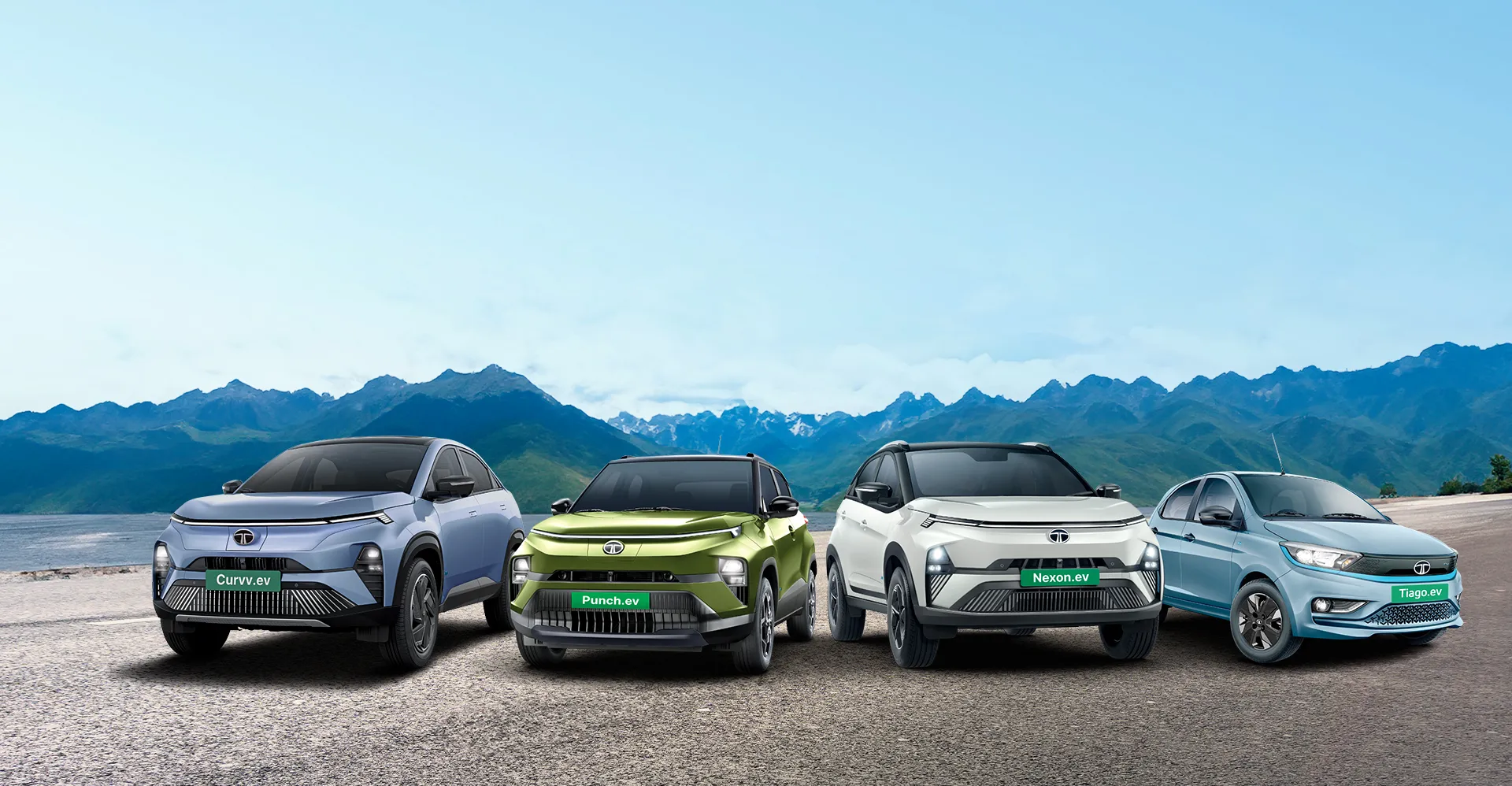
Electric car brands have rapidly transformed the automotive landscape, redefining what it means to drive in the 21st century. From sleek sports models to family-friendly SUVs, the evolution of electric vehicles (EVs) has made sustainability, technology, and performance accessible to a wider audience. For car enthusiasts and environmentally conscious drivers alike, exploring the most innovative electric car brands provides a glimpse into the future of transportation.
The rise of EVs represents a shift not only in technology but also in consumer expectations, with buyers seeking vehicles that combine style, efficiency, and minimal environmental impact.
The Evolution of Electric Car Brands
Historically, electric vehicles were seen as niche products, often limited in range and performance. Early innovators faced challenges with battery technology and infrastructure. However, modern electric car brands have overcome these obstacles, offering vehicles that rival—or surpass—the performance of traditional combustion engines.
Brands like Tesla pioneered the industry by creating models that were both desirable and practical, setting new benchmarks for speed, design, and battery range. Other established automakers soon followed, expanding the market with their own electric options.
Tesla: Redefining the Electric Vehicle Experience
No discussion of electric car brands is complete without mentioning Tesla. Known for its cutting-edge technology and futuristic designs, Tesla redefined what drivers expect from an EV. From the Model S to the Model Y, Tesla vehicles offer exceptional performance, long-range capabilities, and integrated software updates that continuously improve functionality.
Tesla’s success illustrates how electric car brands can combine innovation with consumer appeal, creating a loyal following and reshaping global perceptions of electric mobility.
Legacy Automakers Embracing the Electric Era
Traditional automotive giants like BMW, Mercedes-Benz, and Audi have also invested heavily in electric mobility. BMW’s i-series, Mercedes EQ lineup, and Audi e-tron models showcase how legacy brands are blending established craftsmanship with cutting-edge technology. These electric car brands offer reliability, luxury, and the convenience of familiar service networks while pushing the boundaries of sustainable engineering.
Emerging Players in the EV Market
In addition to established brands, newer entrants are making waves. Companies such as Rivian, Lucid Motors, and NIO are introducing vehicles with innovative features and striking designs. Rivian focuses on adventure-ready trucks and SUVs, Lucid emphasizes luxury and efficiency, and NIO integrates smart technology for seamless connectivity.
These electric car brands highlight the diversity of options available, catering to different lifestyles and driving preferences.
Battery Technology and Range Innovation
A defining factor for electric car brands is battery performance. Advanced lithium-ion and solid-state batteries have extended driving ranges and reduced charging times. Innovations like regenerative braking and energy-efficient designs contribute to longer mileage per charge.
Range anxiety—a former barrier to EV adoption—is increasingly mitigated by the technological strides of leading electric car brands.
Sustainability as a Core Value
Environmental consciousness drives the philosophy of most electric car brands. Beyond zero-emission vehicles, companies focus on sustainable manufacturing, recycling programs, and renewable energy integration. Tesla’s Gigafactories, for instance, utilize solar energy and recycled materials to minimize carbon footprints.
Sustainability is now as important as speed or style in defining a brand’s reputation in the EV market.
Performance Meets Innovation
Electric vehicles are no longer about compromise. Modern electric car brands offer acceleration and handling that rival traditional sports cars. Instant torque from electric motors delivers smooth, high-performance driving. From city commutes to highway cruising, EVs provide a versatile driving experience.
This performance revolution has helped EVs gain mainstream acceptance among car enthusiasts who previously favored gasoline engines.
Connectivity and Smart Features
Advanced software and connectivity define the new wave of electric car brands. Features such as autopilot, over-the-air updates, and integrated infotainment systems enhance both safety and convenience. Drivers can monitor battery health, optimize routes, and even schedule charging remotely.
Smart technology not only improves usability but also positions EVs as futuristic, lifestyle-oriented vehicles.
Charging Infrastructure and Brand Ecosystems
Leading electric car brands invest in robust charging networks. Tesla’s Supercharger network exemplifies how brand-specific infrastructure encourages adoption. Other companies collaborate with public charging providers to ensure accessibility. Fast-charging capabilities and widespread stations reduce range anxiety and make EV ownership practical.
Affordability and Accessibility
Initially, EVs were primarily luxury items. However, as battery costs decrease and production scales, more electric car brands offer affordable models. Competitively priced options broaden access and accelerate the transition to electric mobility.
Global Trends in Electric Vehicle Adoption
Regions like Europe, China, and North America are leading the adoption of EVs. Government incentives, emission regulations, and rising fuel costs push consumers toward electric car brands. Market trends show sustained growth, with more brands entering global markets to meet demand.
Customization and Consumer Choice
Many electric car brands now provide extensive customization options, from exterior colors to interior materials and software features. Personalization enhances the ownership experience and allows buyers to align vehicles with lifestyle preferences.
The Role of Autonomous Driving
Some electric car brands integrate autonomous driving technologies. Tesla, for example, uses autopilot and full self-driving features to improve safety and convenience. Other brands follow with similar driver-assist technologies, reshaping the concept of mobility.
Marketing and Lifestyle Appeal
Modern EV buyers often consider brand image as much as vehicle specifications. Electric car brands leverage marketing that emphasizes innovation, sustainability, and performance. This approach creates emotional connections, encouraging adoption among younger, tech-savvy audiences.
Future Prospects for Electric Car Brands
The future of electric car brands is bright. Advancements in battery technology, AI integration, and lightweight materials promise even higher performance and efficiency. As more consumers embrace sustainable mobility, these brands will continue to influence the direction of the automotive industry.
Challenges and Market Competition
Despite growth, electric car brands face challenges. High competition, supply chain constraints, and regulatory hurdles require continuous innovation. Brands that adapt quickly while maintaining quality and reliability are positioned for long-term success.
Community and Ecosystem Development
EV owners often engage in communities that share tips, experiences, and charging information. Electric car brands support these ecosystems through events, apps, and forums, strengthening loyalty and brand engagement.
The Impact on Traditional Fuel Vehicles
As electric car brands gain market share, traditional internal combustion vehicles see declining demand. Automakers are shifting focus toward EV development, signaling an industry-wide transformation.
Technology-Driven Safety Features
Safety is central to electric car brands. Advanced driver-assistance systems (ADAS), crash-optimized battery placement, and real-time monitoring enhance vehicle safety and reliability.
Cultural Shift Toward Sustainable Driving
Consumer behavior is evolving. Ownership now emphasizes environmental responsibility, efficiency, and digital integration. Electric car brands are at the forefront of this cultural transformation, making EVs a lifestyle choice as much as a practical decision.
Education and Awareness
Many consumers still rely on brand reputation when transitioning to EVs. Electric car brands invest in education campaigns to explain benefits, dispel myths, and guide new users, ensuring informed decisions.
Integration with Renewable Energy
Some electric car brands align with solar and renewable energy initiatives. Home charging solutions powered by solar panels reinforce sustainability goals, creating a complete eco-friendly mobility ecosystem.
Long-Term Reliability and Warranties
Warranties and durability are key selling points for electric car brands. Battery longevity, vehicle reliability, and comprehensive service programs instill consumer confidence.
Innovation Across Vehicle Categories
From compact city cars to luxury sedans and high-performance sports cars, electric car brands offer diversity. Each segment addresses specific consumer needs, ensuring broad appeal.
Enhancing Driver Experience Through AI
Artificial intelligence enhances vehicle performance, safety, and comfort. Predictive analytics optimize routes, energy usage, and vehicle maintenance for electric car brands.
Conclusion
The rise of electric car brands represents more than a shift in propulsion technology. It is a holistic transformation of mobility, integrating sustainability, smart technology, and lifestyle appeal. With continuous innovation, expanding infrastructure, and growing consumer awareness, these brands are setting new standards for what vehicles can achieve. Electric cars are no longer the vehicles of the future—they are the present, shaping a cleaner, smarter, and more connected world.
Read also:
kolkata fatafat nashik
নাসিক ফাটাফাটি রেজাল্ট
nasik fatafat result today
san antonio spurs vs dallas mavericks match player stats
