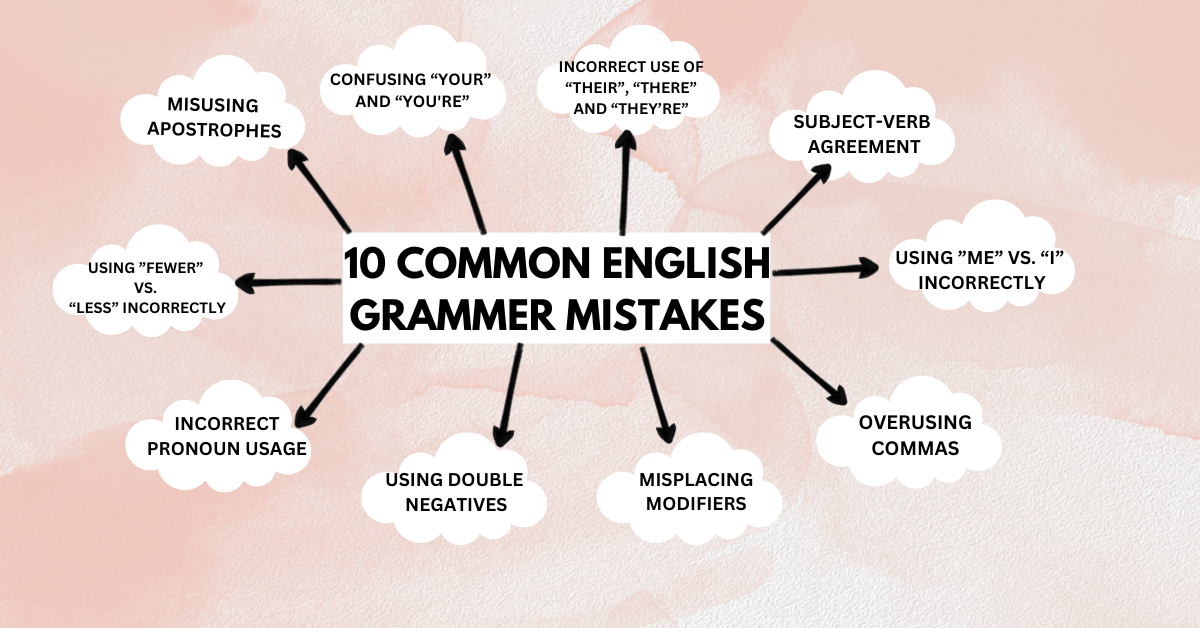
Grammar Mistakes To Avoid are often the hidden culprits that turn a well-researched essay into a confusing read. Even with strong ideas, poor grammar can weaken your message and leave a negative impression on readers or teachers. A perfectly written essay reflects not just your knowledge, but also your attention to detail and communication skills.
Imagine spending hours crafting an essay only to lose marks because of missing commas, wrong verb tenses, or misplaced modifiers. These small errors can change the entire meaning of your sentences. Understanding the most common Grammar Mistakes To Avoid can help you write essays that sound clear, confident, and professional.
Why Grammar Accuracy Matters in Essays
Grammar is the framework that holds your writing together. It ensures your ideas flow logically and your message is easily understood. An essay filled with errors distracts the reader, making your arguments seem less credible.
Correct grammar demonstrates respect for your audience and confidence in your language skills. In academic settings, teachers and examiners expect grammatical precision. Even minor errors can affect grades and readability. (Grammar Mistakes To Avoid)
Good grammar doesn’t just make your essay correct—it makes it persuasive. When your sentences are structured properly, readers can focus on your ideas instead of getting lost in grammatical confusion.
Common Grammar Mistakes To Avoid While Writing Essays
Writing a grammatically flawless essay requires awareness and practice. Many students unknowingly repeat the same grammar errors, even after multiple revisions. Recognizing these common issues can transform your writing quality.
1. Subject-Verb Agreement Errors
One of the most frequent Grammar Mistakes To Avoid is mismatching the subject and verb. In English, singular subjects require singular verbs, and plural subjects require plural verbs.
For example:
Incorrect: The list of items are on the table.
Correct: The list of items is on the table.
Always identify the main subject before choosing the verb form. Sentences with prepositional phrases or compound subjects often cause confusion.
2. Misplaced or Dangling Modifiers
Modifiers are words or phrases that describe another part of the sentence. When placed incorrectly, they create confusion or unintended humor.
For example:
Incorrect: Running to class, the book fell from my hand.
Correct: Running to class, I dropped the book from my hand.
Such Grammar Mistakes To Avoid can make your writing appear careless. Always ensure the modifier is close to the word it describes.
3. Incorrect Use of Tenses
Maintaining consistent verb tense is crucial for clarity. Many writers switch between past and present without realizing it.
For example:
Incorrect: She finished her homework and goes to bed.
Correct: She finished her homework and went to bed.
A consistent tense helps readers follow the timeline of your essay easily. Decide the tense based on the context and stick with it throughout the paragraph.
4. Overuse of Commas or Missing Punctuation
Commas can either clarify or confuse depending on how they’re used. Overusing or omitting them is among the key Grammar Mistakes To Avoid in essays.
For example:
Incorrect: Let’s eat students.
Correct: Let’s eat, students.
A missing comma can drastically change meaning. Read your sentences aloud—if you naturally pause, a comma likely belongs there.
5. Pronoun-Antecedent Agreement
Pronouns must agree with their antecedents in number and gender. A mismatch can confuse readers about who or what the sentence refers to.
For example:
Incorrect: Everyone must bring their pencils.
Correct: Everyone must bring his or her pencil.
Although modern writing often allows plural “they” for inclusivity, consistency is key. Check that pronouns clearly refer to their intended nouns.
How Grammar Mistakes Affect Essay Quality
When readers encounter repeated grammatical errors, it disrupts their focus. Instead of following your argument, they become distracted by mistakes. This can weaken even the strongest essays. (Grammar Mistakes To Avoid)
Proper grammar enhances readability and demonstrates professionalism. It also helps maintain rhythm and flow, especially in persuasive or narrative essays.
Students often think grammar is secondary to content, but both go hand in hand. A grammatically sound essay not only conveys ideas effectively but also builds credibility.
Tips to Identify Grammar Mistakes To Avoid
Editing is where good writing becomes great. No matter how confident you feel, revising your work for grammar errors is essential.
Start by reading your essay aloud. Hearing your own words helps detect awkward phrasing and missing punctuation. Online grammar tools can help, but don’t depend on them entirely. Human review always finds errors machines miss.
Break your essay into small sections and review each sentence carefully. Focus on one element at a time—such as tenses, punctuation, or subject-verb agreement.
If possible, have someone else review your essay. A fresh pair of eyes can spot mistakes that you might overlook after reading your work multiple times. (Grammar Mistakes To Avoid
Using Grammar To Strengthen Essay Impact
Grammar is more than just rules—it’s about creating rhythm, clarity, and precision. Strong grammatical control makes your writing persuasive and enjoyable to read.
Think of grammar as a tool to enhance your message. For instance, using active voice adds energy to your essay. Instead of saying, “The ball was thrown by John,” you can write, “John threw the ball.”
This not only shortens your sentences but also makes your writing dynamic. Similarly, using varied sentence structures keeps your essay engaging.
Grammar Mistakes To Avoid often come from rushing through the writing process. Taking time to revise ensures that every word serves a purpose and every sentence flows logically.
Real-Life Example: How Grammar Can Change Meaning
Consider the sentence: “Let’s eat, grandpa.” It’s an invitation to dine together. But if you remove the comma—“Let’s eat grandpa”—it turns into a shocking statement.
This simple example shows how punctuation, one of the common Grammar Mistakes To Avoid, can drastically alter meaning. Essays work the same way. One misplaced word or mark can change how readers interpret your ideas.
Improving Grammar Through Practice
Improvement requires consistency. Read well-edited materials like newspapers, journals, and novels to understand correct sentence structures. Practice writing daily and pay attention to feedback from teachers or editors.
When you encounter unfamiliar grammar rules, look them up and practice examples. Writing with awareness gradually reduces errors and strengthens your confidence.
A simple routine—reading, writing, revising—can help you internalize correct grammar naturally. Every mistake corrected becomes a step toward mastery.
Building a Habit of Grammar Precision
Developing a grammar-conscious mindset takes time, but it’s worth the effort. Instead of memorizing every rule, focus on understanding patterns. The more you write, the more intuitive grammar becomes.
Students who consistently focus on Grammar Mistakes To Avoid often notice improvement not just in essays but also in communication skills. Clear grammar leads to clear thinking—and clear thinking leads to powerful writing.
Teachers, editors, and professionals all value precision. It’s not just about following rules; it’s about showing respect for your craft and your reader.
Grammar as a Reflection of Thought
Ultimately, grammar reflects how we think. Organized writing mirrors organized thought. When your essay is grammatically correct, it feels natural and authoritative.
Mastering Grammar Mistakes To Avoid is not just an academic skill—it’s a lifelong advantage. Whether you’re applying for scholarships, writing reports, or publishing articles, flawless grammar adds polish and professionalism.
With patience and practice, every writer can achieve that balance of creativity and correctness. Strong grammar doesn’t restrict expression—it empowers it.
Read also:
apricity meaning
hodophile
stampede meaning
lumon definition
