Festival Recipes have always been the heart of every celebration, weaving together tradition, flavor, and emotion. In every corner of the world, festivals bring families closer, and the aroma of delicious homemade dishes fills the air with joy. Whether it’s the sweetness of desserts or the richness of savory dishes, food defines the festive spirit more than anything else.
Across generations, these recipes have carried stories — of grandmothers sharing secret ingredients, of siblings sneaking bites before dinner, and of families gathering around warm kitchens. Making Festival Recipes at home isn’t just about cooking; it’s about preserving culture and creating moments that linger long after the celebration ends.
The Soul of Festivals Lies in Homemade Recipes
No matter the occasion — Diwali, Christmas, Eid, Pongal, or Thanksgiving — homemade food remains the centerpiece. There’s a certain warmth that comes from preparing traditional dishes with your own hands. The act of mixing ingredients, tasting flavors, and serving loved ones embodies the very essence of togetherness.
Modern lifestyles may have made dining out easier, but homemade Festival Recipes still carry unmatched comfort. They represent patience, care, and a touch of nostalgia. Cooking during festivals connects us not just to our heritage but also to one another, reinforcing the emotional ties that define family and community.
Traditional Sweet Dishes That Brighten Every Celebration
Every festival has its signature sweet. The first bite of a homemade dessert instantly signals the beginning of festivities. From golden jalebis bubbling in hot syrup to creamy kheer simmering on the stove, sweets hold a sacred place in every household.
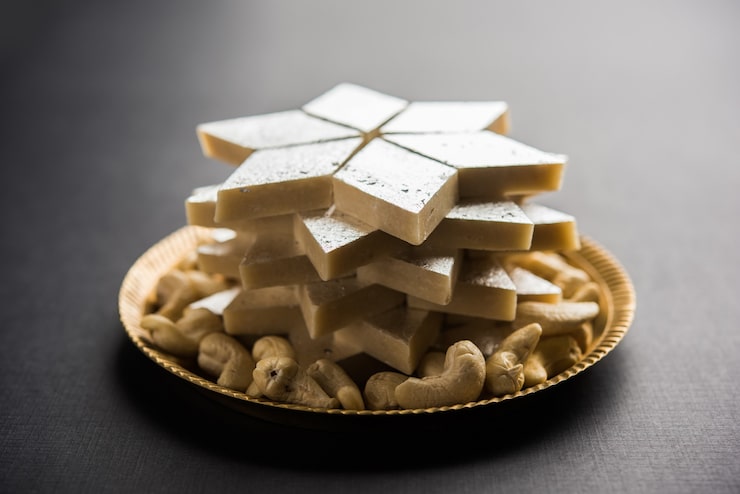
For Diwali, besan ladoos and kaju katli are staples. The process of roasting gram flour in ghee, rolling the warm mixture into perfect spheres, and watching them cool on trays is almost therapeutic. Similarly, during Christmas, the scent of fruit cake baking in the oven fills the home with cheer. (Festival Recipes)
In South India, Pongal celebrations aren’t complete without sakkarai pongal — a dish made with jaggery, rice, and ghee, symbolizing prosperity. During Eid, seviyan (sweet vermicelli) brings families together around beautifully set tables. Each dish, though different in flavor and form, carries the same essence of joy and sharing.
Making these sweets at home ensures not just authenticity but also control over ingredients, letting you balance health with indulgence. Using jaggery instead of refined sugar or opting for whole-grain flours can modernize traditional recipes without losing their charm.
Savory Festival Recipes That Warm the Heart
While sweets often steal the spotlight, savory dishes form the comforting backbone of most celebrations. Think of biryanis layered with fragrant spices, rich curries simmered slowly to perfection, or crispy snacks fried to golden crunch. These are the flavors that make every gathering unforgettable.
During Holi, gujiyas are paired with spicy samosas and tangy chaat. Navratri brings fasting-friendly delights like sabudana khichdi and aloo tikki made without onion or garlic. In Kerala, Onam Sadya spreads feature dozens of vegetarian dishes served on banana leaves — each representing abundance and gratitude.
Christmas dinners around the world see roasted meats, herb-infused gravies, and buttery mashed potatoes, while Thanksgiving tables overflow with turkey, cranberry sauce, and pumpkin pie. Each culture brings its own twist to festive meals, but the common thread remains love and celebration.
Home cooking gives these Festival Recipes their true soul. Every pinch of spice, every stir of the ladle carries intention and memory — something that pre-packaged or restaurant meals can never replicate.
Regional Flavors That Make Festivals Unique
India, known for its rich culinary diversity, transforms every festival into a gastronomic journey. The north revels in ghee-laden sweets and bold gravies, while the south celebrates rice-based delicacies and coconut-infused dishes. In Bengal, festivals mean rasgulla, mishti doi, and luchi with aloo dum. In Gujarat, it’s undhiyu, fafda, and jalebi that define the season.
Around the world, similar traditions exist. In Italy, Easter means Colomba di Pasqua, a dove-shaped cake representing peace. In Mexico, Día de los Muertos features pan de muerto, a sweet bread symbolizing remembrance. In Japan, the cherry blossom festival brings mochi — rice cakes that celebrate nature’s beauty.
These variations remind us that Festival Recipes are universal expressions of joy, no matter where we live. Each dish tells a story — of faith, history, and human connection — carried forward through taste and tradition.
Simple Homemade Festival Recipes for Busy Lives
With today’s fast-paced routines, finding time to prepare elaborate meals can feel daunting. But festivals don’t always demand complexity. Many delightful dishes can be made quickly without compromising on flavor.
Take coconut laddoos, for instance — they need just three ingredients and a few minutes of your time. Or consider paneer tikka, where cubes of cottage cheese marinated in spices and grilled to perfection make for an irresistible treat. (Festival Recipes)
During Christmas, homemade cookies or fudge can replace more time-consuming desserts. A simple gulab jamun mix or a batch of baked samosas can bring the same festive joy with half the effort.
The secret lies in smart planning — prepping ingredients in advance, using versatile recipes, and involving family members in the process. Cooking together not only eases the workload but also turns the kitchen into a hub of laughter and memories.
Healthier Twists to Traditional Festival Recipes
As awareness around healthy eating grows, many people are reimagining traditional Festival Recipes with a modern, nutritious spin. Instead of deep-frying snacks, baking or air-frying them offers the same crunch with less oil. Replacing white flour with whole wheat or millet flour adds fiber and texture.
Natural sweeteners like honey, dates, or jaggery can substitute refined sugar, making desserts both wholesome and flavorful. Coconut milk can replace heavy cream in curries, while olive oil or ghee in moderation enhances flavor without overwhelming the dish. (Festival Recipes)
These adaptations not only promote better health but also inspire creativity. You can honor tradition while catering to modern lifestyles — proof that festival food can be indulgent and mindful at once.
The Emotional Power of Sharing Homemade Food
At its core, food is about connection. Sharing your homemade Festival Recipes with neighbors, friends, or colleagues creates bonds that go beyond the table. A box of homemade sweets or a plate of freshly cooked snacks can convey love and care more deeply than words.
These small gestures remind us of the communal spirit that festivals were built upon — generosity, inclusion, and gratitude. Every recipe passed down or shared carries the flavor of kindness, linking one generation to the next.
Food brings joy, and festivals amplify that joy. Whether you’re cooking for a family of four or an entire neighborhood, the act of creating and giving remains timeless.
Keeping Traditions Alive Through Cooking
Each generation inherits recipes that hold the essence of family traditions. Recreating them during festivals keeps those memories alive. When you prepare your grandmother’s halwa or your father’s special curry, you’re not just cooking — you’re preserving a legacy.
Encouraging younger family members to participate ensures these traditions continue to thrive. Let them roll laddoos, stir gravies, or help with decorations. The more they connect with these customs, the more deeply they’ll cherish them as adults. (Festival Recipes)
Festivals aren’t only about rituals or decorations — they’re about sensory experiences. The sizzling sounds from the kitchen, the wafting aromas, and the sight of beautifully plated food form memories that last a lifetime.
Homemade Food: The True Spirit of Celebration
At the end of every festival day, when the laughter fades and the lights dim, what lingers most is the taste of the food shared. A spoonful of payasam, a bite of biryani, or a piece of plum cake holds the power to bring back emotions and stories.
Cooking at home, no matter how simple the dish, carries authenticity and heart. It transforms ordinary ingredients into extraordinary experiences. The joy of serving something made with love defines what festivals truly mean — unity, warmth, and gratitude. (Festival Recipes)
So the next time celebration season arrives, roll up your sleeves, tie that apron, and bring your kitchen alive. Because real festivity doesn’t come from store-bought treats — it begins right at home, with flavors that tell your story.
Read also:
traditional chinese food
dunkin donuts prices
harga gacoan 2025
harga mie gacoan 2025
pakistan women’s national cricket team vs india women’s national cricket team
naman dhir
faheem ashraf stats
