Cricket Strategy Planning takes on a completely different meaning when a match enters the final overs. These are the moments where emotional control, precise reading of the game situation and the ability to anticipate the opponent’s moves begin to matter more than pure skill. In the last phase of a match, every delivery becomes a small battle of awareness versus impulse, and the team that can think one step ahead almost always controls the narrative.
The final overs compress decision-making into tiny windows. Batsmen must pick their scoring zones without hesitation, while bowlers must disguise their intentions and outsmart hitters who are already looking for boundaries. A plan that looked ideal in the 30th or 35th over suddenly needs refinement because field placements, timing angles and risk margins shift rapidly under scoreboard pressure. (Cricket Strategy Planning)
Reading the Game Before the Storm Arrives
A strong team doesn’t wait for the 18th over to think about the finish. The preparation begins quietly much earlier — through pacing the innings, rotating strike responsibly, and building a foundation where a team has options rather than desperation. Teams with sharper planning never rely on a single hitter or a single magic over. They build mental backup strategies so the final stretch becomes execution rather than improvisation.
When a batter steps in during the last overs, they don’t just swing randomly. They scan the bowler’s body language, observe the field setup and recall previous overs to predict length. An overplanned shot is just as dangerous as an underplanned one, so the best finishers stay dynamically aware rather than mechanically aggressive. (Cricket Strategy Planning)
Why Cricket Strategy Planning Becomes a Psychological Weapon
The difference between a good finisher and a great finisher often lies in how clearly they visualize the outcome before playing the shot. The modern finisher doesn’t chase every ball — they orchestrate the chase. That shift from panic hitting to mindful targeting separates experience from instinct. There are players who hold nerves not because they don’t feel pressure, but because they have already processed the situation in advance. (Cricket Strategy Planning)
The same applies to bowlers attempting a death-over spell. A yorker is not just a delivery — it is a psychological anchor that forces the batter to second-guess footwork, rhythm and body positioning. Just like that, a well-disguised slower ball is as much about timing the deception as it is about the grip itself. Smart planning turns ordinary deliveries into tactical traps.
The Captain’s Role in Keeping the Strategy Fluid
During final overs, strategy cannot be static. A captain reads momentum like a second scoreboard. Some overs require protection; others require calculated risk. Great captains sense when to bring the field in, when to stretch the boundary rope, and when to shift from defensive setup to controlled attack. Their judgement is not just tactical but psychological — they are reading players, not just shots. (Cricket Strategy Planning)
This is also the phase where short huddles matter a lot. A bowler receiving one right sentence of reassurance can recover composure instantly. Communication stops panic and replaces it with clarity. This micro-management creates the calm that allows execution under pressure.
Anticipating the Batter’s Intent, Not Just the Shot
Death bowling is less about raw pace and more about anticipation. Bowlers who dominate final overs are usually the ones who think like batters. They pick up tiny tells — a slight trigger step, shoulder opening toward midwicket, bat face angling for scoop attempts — and then they play against the batter’s plan. The best defensive over is the one that forces the batter to play away from their strongest scoring area. (Cricket Strategy Planning)
Meanwhile, finishers anticipate field angles even before the bowler reaches the crease. This chess-like exchange creates some of the most thrilling micro-battles in cricket.
Game Awareness Shaped by Earlier Overs
A good finishing strategy is planted before the final overs truly begin. A batter tracking which bowler has one remaining over is also reading opportunity windows. A captain holding back a slower-ball specialist is reading a choke point. The final overs are where preparation becomes intuition. (Cricket Strategy Planning)
Teams that misjudge this timing freeze, while teams that pre-read rhythm accelerate with clarity. That is why the build-up phase matters as much as the climax.
Field Placements That Shape the Batter’s Thinking
Some field placements are not defensive; they are psychological traps. A cleverly placed deep fielder can silently dictate which side of the wicket a batter feels free to attack. This funneling strategy forces desperation rather than selection. When the field starts predicting shots, pressure flips back onto the batter in an instant. (Cricket Strategy Planning)
A sharp bowling unit uses this funneling rhythm repeatedly until impatience generates the breakthrough.
Balancing Risk and Restraint Without Slowing Momentum
One of the biggest mistakes players make at the death is assuming aggression automatically equals control. But winning finishing overs requires carefully timed bursts, not reckless swinging. Smart finishers often wait for the bowler to miss length rather than forcing the moment. Their patience is powered by trust in the long-game plan rather than panic. (Cricket Strategy Planning)
Similarly, bowlers don’t need six perfect deliveries — they need three well-executed ones and three smartly varied ones. Planning reduces anxiety by narrowing focus into controllable actions.
Communication That Feels Natural, Not Forced
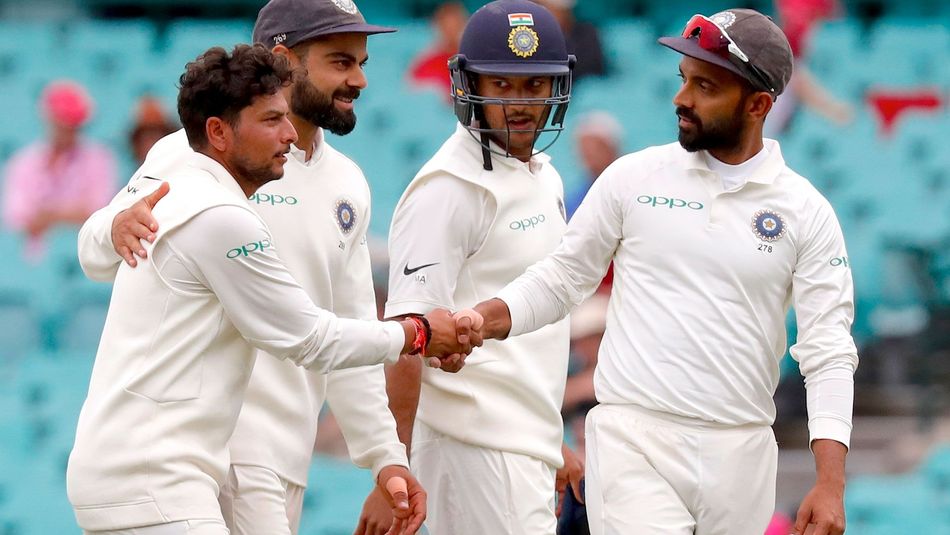
Some of the best finishing partnerships hardly talk out loud. A nod, a glove tap, or a small gesture becomes enough to sync plans. Overcommunication at death overs can create friction, but instinctive coordination enhances belief. Trust turns small plans into seamless execution. (Cricket Strategy Planning)
This is where chemistry meets strategy — when teammates don’t waste energy decoding instructions because they already understand intent.
Small Tactical Wins That Compound Into Big Results
Final overs are like a series of micro-moments. Each dot ball is not just a delivery — it is a psychological pause that slows the chasing momentum. A well-judged second run is not just extra runs — it is a mental edge. Every minor edge compounds when the scoreboard tightens. (Cricket Strategy Planning)
Successful teams convert these micro advantages because they plan not from emotion but from calculation.
Keeping Nerves Steady While The Stadium Roars
This is the moment where external noise becomes the biggest test. Once the adrenalin spikes, breathing control and shot selection become linked. The batter who slows the mind sees the field more clearly. The bowler who controls tempo sees the batter’s next move before release. The stadium may erupt, but strategy creates inner silence.
Read also:
denver nuggets vs okc thunder match player stats
golden state warriors vs houston rockets match player stats
green bay packers vs detroit lions match player stats
seattle storm vs las vegas aces match player stats
ekart logistics franchise application form
acasa capital
kidzee franchise
