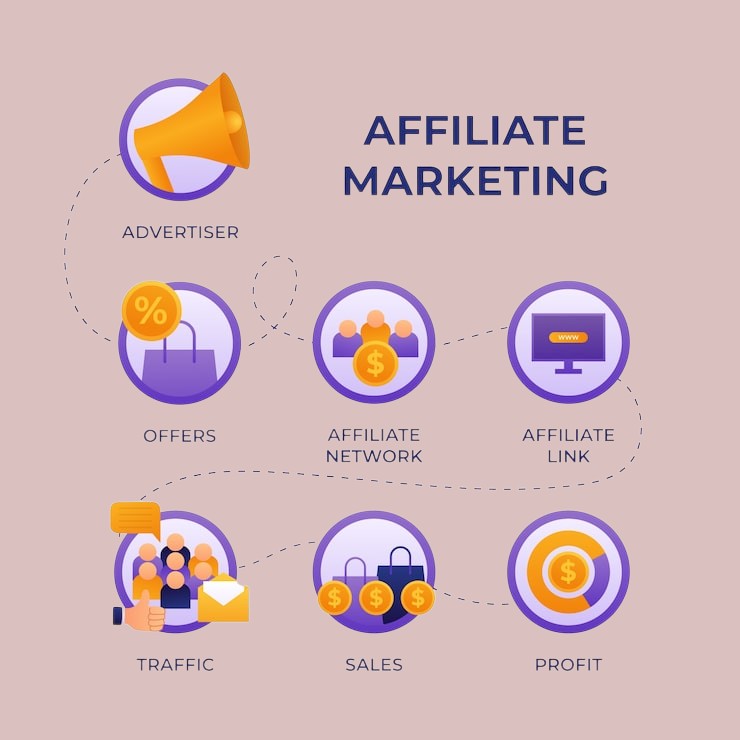
Affiliate marketing has become one of the most popular ways to earn passive income online. By promoting products or services and earning commissions on sales, individuals can build sustainable revenue streams with the right strategies.
Understanding how to start affiliate marketing properly is crucial for both beginners and experienced marketers. With competition increasing every year, a well-thought-out approach can make the difference between success and wasted effort.
What is Affiliate Marketing and How It Works
Affiliate marketing is a performance-based business model where marketers earn a commission for driving sales or leads to a product or service. Unlike traditional marketing, affiliates don’t need to hold inventory or manage customer support—they focus solely on promotion.
Digital entrepreneur Pat Flynn highlights that the beauty of affiliate marketing lies in its scalability. By selecting the right niche, building trust, and using multiple channels, affiliates can grow their income steadily over time. Similarly, marketer Neil Patel emphasizes that understanding your audience’s needs and preferences is key to generating meaningful conversions.
Choosing the Right Niche
The first step in how to start affiliate marketing is choosing a niche that aligns with your interests and has profitable potential. Popular niches include health and wellness, technology, finance, and lifestyle.
Affiliate expert Michelle Schroeder-Gardner suggests that focusing on a specific niche allows marketers to establish authority and connect with a targeted audience. Doing thorough market research ensures that there is sufficient demand and opportunities for monetization.
Finding High-Quality Affiliate Programs
Selecting reliable affiliate programs is critical. Programs should offer competitive commissions, reputable products, and timely payments. Well-known platforms like Amazon Associates, ClickBank, and ShareASale provide a range of products suitable for various niches.
Entrepreneur John Chow advises reviewing the program’s terms, tracking methods, and support system before committing. Quality partnerships enhance credibility and ensure a smoother experience for both affiliates and customers.
Content Creation for Affiliate Marketing
Content is the backbone of successful affiliate marketing. Blog posts, videos, email newsletters, and social media campaigns can all be used to promote affiliate products effectively.
Marketing strategist Matt Diggity explains that creating informative, engaging, and authentic content builds trust with your audience. For example, in-depth product reviews, tutorials, and comparison guides provide value while naturally incorporating affiliate links.
SEO and Traffic Generation
Driving traffic is essential to earning commissions in affiliate marketing. Search engine optimization (SEO) is a cost-effective method for attracting organic traffic. Using targeted keywords, creating high-quality content, and building backlinks improves visibility in search results.
SEO expert Brian Dean emphasizes that combining on-page SEO with strategic outreach and content marketing can generate consistent traffic over time. Paid advertising, such as Google Ads or social media promotions, can also supplement organic efforts for faster results.
Building an Email List
Email marketing is a powerful tool in affiliate marketing. By building a targeted email list, marketers can nurture leads, provide valuable content, and promote affiliate products directly to subscribers.
Affiliate coach Spencer Mecham notes that personalized emails, drip campaigns, and consistent engagement increase trust and conversion rates. Subscribers who feel informed and valued are more likely to make purchases through affiliate links.
Leveraging Social Media
Social media platforms such as Instagram, YouTube, and TikTok offer tremendous opportunities for affiliate marketing. Visual content, live streams, and short-form videos can capture attention and drive traffic to affiliate offers.
Influencer and marketer Gary Vaynerchuk explains that authentic engagement, storytelling, and sharing personal experiences with products make promotions more persuasive and relatable.
Tracking and Analytics
Monitoring performance is vital in affiliate marketing. Tracking clicks, conversions, and revenue helps marketers understand which strategies work best and identify areas for improvement.
Analyst Avinash Kaushik emphasizes using analytics tools to measure ROI and optimize campaigns. Adjusting content, targeting, and promotional strategies based on data ensures consistent growth.
Common Mistakes to Avoid
New affiliates often make mistakes such as promoting too many products, ignoring audience needs, or relying solely on paid ads. These missteps can lead to low conversions and wasted resources.
Affiliate expert Michelle Schroeder-Gardner suggests focusing on quality over quantity, building trust, and offering honest recommendations. Transparency with your audience fosters credibility and long-term success.
Real-Life Success Stories
Several entrepreneurs have demonstrated the potential of affiliate marketing. Pat Flynn started his journey by sharing personal experiences and gradually built a multi-six-figure business.
Michelle Schroeder-Gardner leveraged her personal finance blog to generate significant affiliate income, highlighting the power of niche-focused content. Similarly, John Chow turned his blog into a profitable platform by consistently creating high-value content and promoting relevant products.
Spencer Mecham shares how building an email list and providing actionable advice helped him scale his affiliate business rapidly. These examples showcase how commitment, strategy, and authenticity lead to substantial results.
Emerging Trends in Affiliate Marketing
Affiliate marketing continues to evolve with trends like influencer partnerships, AI-driven personalization, and voice search optimization. Marketers who embrace new technologies and platforms can stay ahead of the competition.
Digital strategist Neil Patel predicts that video content, live commerce, and interactive experiences will play a significant role in future affiliate marketing campaigns. Affiliates who adapt quickly and focus on user engagement will reap the greatest rewards.
Scaling Your Affiliate Marketing Business
Once initial success is achieved, scaling is crucial. Expanding content channels, exploring international markets, and diversifying affiliate programs can significantly increase revenue.
Matt Diggity advises automating repetitive tasks, outsourcing content creation, and investing in analytics tools to support growth. Strategic scaling ensures long-term sustainability and maximizes earning potential.
Read also:
spain national football team vs france national football team lineups
تشكيلات الفِرَق: منتخب الأوروغواي لكرة القدم – منتخب البرازيل لكرة القدم
mexico vs honduras lineups
turkey national football team vs hungary national football team lineups
