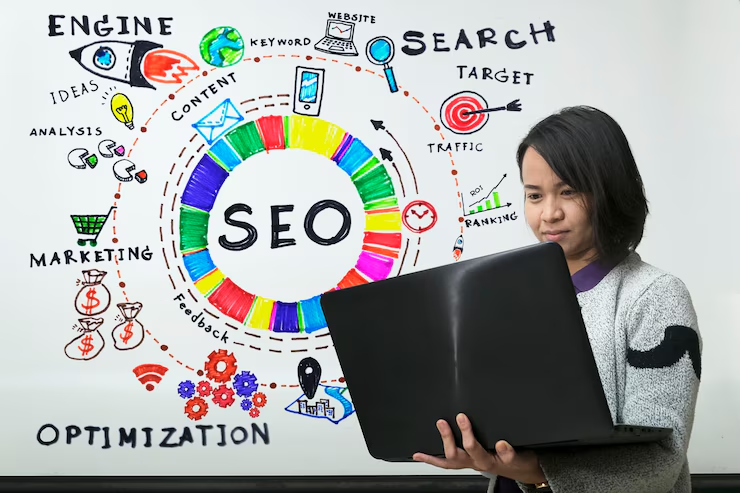
In today’s highly competitive digital landscape, Search Engine Optimization (SEO) is more crucial than ever. With billions of websites vying for attention, SEO has become the bridge between a business and its online audience. Whether you’re running a personal blog, an e-commerce store, or a corporate website, understanding and implementing SEO strategies is essential for visibility, traffic, and long-term success.
What is SEO?
SEO is the practice of optimizing a website to improve its visibility in search engine results pages (SERPs). The primary goal is to increase organic (non-paid) traffic from search engines like Google, Bing, and Yahoo. SEO involves a combination of techniques that range from technical configurations to content creation and backlink acquisition.
The Core Pillars of SEO
- On-Page SEO
On-page SEO focuses on optimizing elements within your website. This includes using relevant keywords, writing compelling meta descriptions, optimizing title tags, using header tags (H1, H2, etc.), and ensuring the content is high-quality and informative. Internal linking, mobile responsiveness, and page load speed also fall under this category. - Off-Page SEO
This involves strategies implemented outside of your own website to improve its authority and credibility. The most important aspect of off-page SEO is link building—getting reputable websites to link back to your site. Social media signals, guest blogging, and influencer outreach also contribute to off-page SEO. - Technical SEO
Technical SEO ensures that a website meets the technical requirements of modern search engines. This includes proper website architecture, mobile-friendliness, secure connections (HTTPS), XML sitemaps, and structured data markup. A well-optimized site helps search engines crawl and index content more efficiently.
Why SEO Matters
SEO is a long-term strategy that delivers consistent results. Unlike paid advertising, where visibility disappears the moment, you stop paying, SEO continues to generate traffic and leads over time. Here are a few key benefits:
- Increased Visibility: Higher rankings mean more clicks and greater brand exposure.
- Cost-Effectiveness: Once your pages are optimized, they can attract free traffic indefinitely.
- Credibility and Trust: Users trust organic search results more than paid ads.
- Better User Experience: Good SEO practices improve site navigation and usability.
Trends in SEO for 2025
The SEO landscape is constantly evolving, driven by changes in search engine algorithms and user behavior. Here are a few current trends shaping the future of SEO:
- AI and Machine Learning: Google’s algorithms like RankBrain and BERT emphasize understanding user intent. Optimizing content for natural language and semantic relevance is crucial.
- Voice Search Optimization: With the rise of smart speakers and voice assistants, tailoring content for voice queries—typically longer and question-based—is becoming essential.
- Core Web Vitals: Google now uses page experience metrics as a ranking factor. Optimizing for loading speed, interactivity, and visual stability is vital.
- E-E-A-T Principles: Expertise, Experience, Authoritativeness, and Trustworthiness continue to be critical for ranking, especially in health, finance, and other “Your Money or Your Life” (YMYL) niches.
Conclusion
SEO is not just a digital marketing tactic—it’s a necessity for survival and growth in the online world. While it may take time and effort to see results, the long-term payoff is significant. Businesses that invest in SEO gain a competitive edge, increased visibility, and a stronger digital presence.
Whether you’re a seasoned marketer or a small business owner, learning and adapting to SEO best practices is a smart move. In a world driven by search, being discoverable means being relevant—and SEO is the key to getting there.
