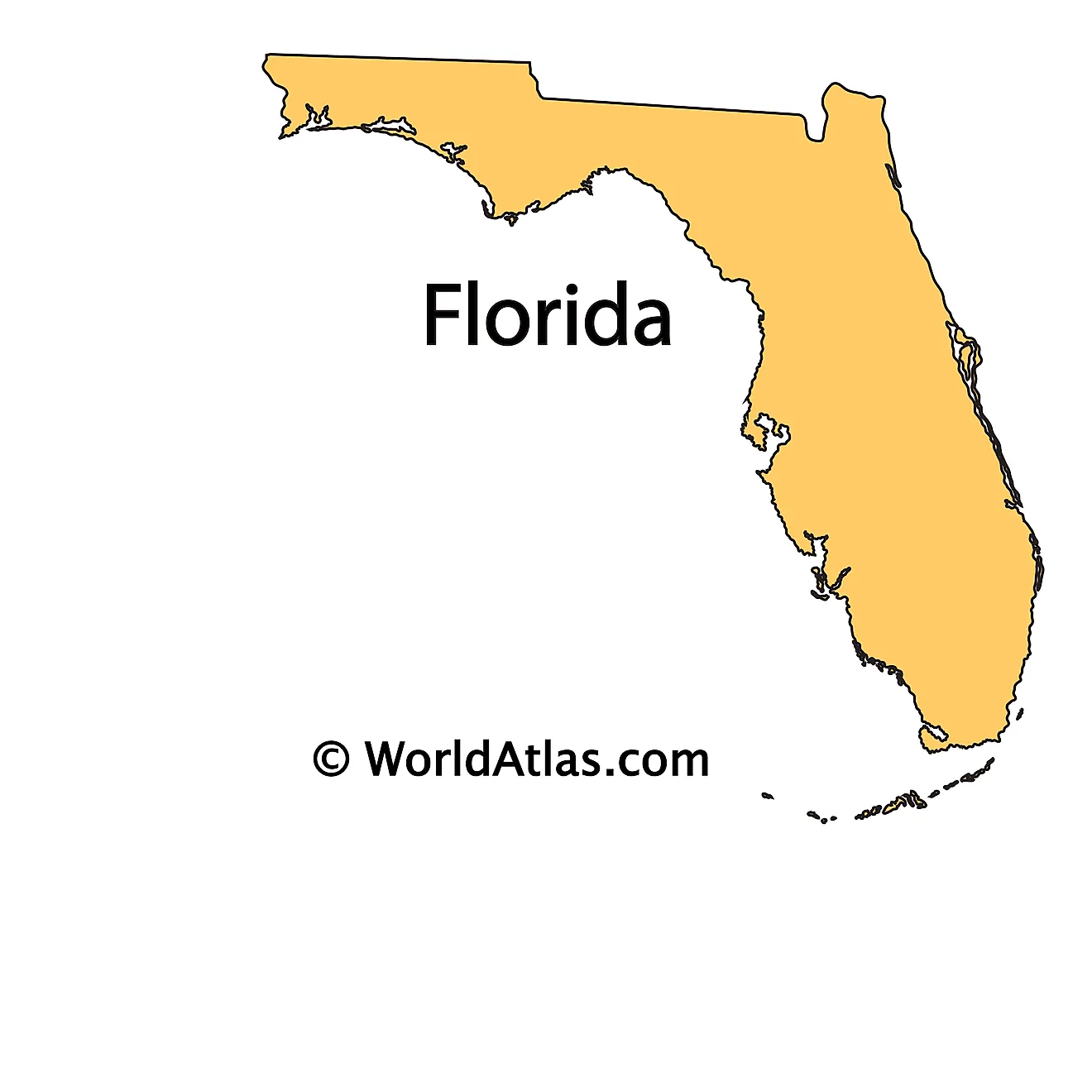
If you’ve ever paused mid-postcard or puzzled over a piece of mail and asked yourself, “Why is Florida abbreviated as FLA and not FLO?”, you’re not alone. It seems like a logical assumption—Florida starts with “Flo,” so why not go with that? But the answer lies in a combination of linguistic conventions, postal efficiency, and a bit of historical context.
In this article, we’re going to dive into the fascinating story behind Florida’s abbreviation. Along the way, we’ll explain the difference between traditional and postal abbreviations, how state abbreviations came to be standardized, and why FL is the official two-letter code you see today.
So let’s break it down and explore why it’s FLA—or more accurately now, just FL.
The Quick Answer: FL is the Official Postal Abbreviation
Let’s get the modern stuff out of the way first: The official two-letter postal abbreviation for Florida is FL. That’s what you’ll see on mail, license plates, airline baggage tags, and anywhere standardized codes are required.
But people still sometimes see or use FLA—especially in informal writing, sports reporting, or older documents—and wonder why it wasn’t FLO to begin with.
Here’s the fun part: FLA was never an official government or postal abbreviation. It was a traditional abbreviation, and it stuck around because of common usage—until the USPS decided we all needed to get on the same page.
Traditional vs. Postal Abbreviations
Before we go deep into Florida’s abbreviation history, let’s clarify a key distinction: traditional abbreviations vs. postal abbreviations.
Traditional Abbreviations:
-
Commonly used in writing before standardization
-
Often three or more letters
-
Still used today in certain contexts (e.g., “Fla.” for Florida, “Calif.” for California)
Postal Abbreviations:
-
Created and standardized by the United States Postal Service (USPS) in 1963
-
All are two capital letters (e.g., FL for Florida, CA for California)
-
Designed for automation and postal efficiency
Before 1963, people freely abbreviated state names in longer forms like “Fla.”, “Calif.”, “Miss.” (Mississippi), and so on. There were no strict rules. That meant there was room for variations—and some states were abbreviated based on pronunciation, not spelling.
Why Not FLO?
So now that we know FLA was the traditional form, let’s address the elephant in the room: why wasn’t FLO used instead?
There are a few reasons:
1. Avoiding Confusion with Similar State Names
Abbreviations were often designed to avoid overlap or confusion with other state names. “FLO” could easily be confused with:
-
Florence (a city name used in several states and sometimes abbreviated as FLO)
-
Florida and Oregon could have overlapped had “FLO” been used with “ORE”
Using FLA made it clear that we’re talking about Florida, not something else.
2. Phonetic Representation
Some traditional abbreviations weren’t just shortened spellings—they were phonetic approximations. “Fla.” sounds like “Florida.” Using the first syllable and last sound gave it a more natural feel when read aloud.
Think of others like:
-
“Calif.” for California
-
“Ill.” for Illinois
-
“Minn.” for Minnesota
In this context, FLA just sounded better and was easier to recognize.
3. Regional Writing Style and Habit
Language is shaped by how people use it, and early newspapers, railroads, and telegraph operators often opted for FLA because it was quicker to write and widely understood. Over time, it became a kind of unofficial standard—even before postal codes stepped in to simplify everything.
When Did FL Become the Standard?
The abbreviation FL became official in 1963, when the United States Postal Service introduced two-letter state abbreviations as part of the Zone Improvement Plan (ZIP Codes). The goal was to streamline mail sorting and speed up delivery times.
Why two letters?
-
Machines could easily scan and process two capital letters
-
Two-letter codes are universally consistent and unambiguous
-
Space efficiency on mailing labels
That’s when FL officially replaced FLA for all mailing purposes.
Where You Might Still See “FLA”
Although FL is the official code, FLA hasn’t disappeared entirely. You’ll still see it in places like:
-
Sports: “FLA Panthers” (NHL team), “FLA Gators” (University of Florida nickname)
-
Media & News: Older publications or headlines might use “Fla.”
-
Historical Records: Census records, military documents, or travel brochures from before 1963
In these cases, FLA is more of a stylistic or traditional choice—not a formal standard.
Abbreviations in the Digital Age
The rise of digital communication has reinforced the use of standardized abbreviations like FL. From filling out online forms to booking flights, consistency matters now more than ever.
Here’s why FL is preferred today:
-
Search Engine Optimization (SEO): Search engines index and recognize FL more efficiently when tagging location data.
-
Email and Databases: Systems require uniformity—FL is machine-friendly.
-
E-commerce and Shipping: Online stores and logistics companies rely on FL to label deliveries, receipts, and tracking numbers.
So if you’re running a Florida-based business or blog, make sure you’re using FL in metadata, headers, and geotags for the best results.
A Quick Look at Other State Abbreviation Quirks
Florida isn’t the only state with abbreviation confusion. Here are a few other interesting ones:
| State | Traditional | Postal (Modern) |
|---|---|---|
| California | Calif. | CA |
| Massachusetts | Mass. | MA |
| Mississippi | Miss. | MS |
| Missouri | Mo. | MO |
| Michigan | Mich. | MI |
So if you ever wonder why Missouri is MO and not MI, it’s to avoid conflict with Michigan. These two-letter abbreviations were carefully chosen to be unique and easy to automate.
Is It Ever Okay to Use “FLA” Today?
Technically? Sure! You might still use FLA in:
-
Creative writing: For a nostalgic or classic feel
-
Sports branding: Teams or fan clubs love their abbreviations
-
Personal notes or journals: Write however you like
But if you’re filling out a government form, shipping a package, or writing professionally, it’s best to stick with the official FL.
Final Thoughts: It’s All About Clarity and Consistency
So, to wrap it up:
-
FLA was a traditional abbreviation, widely used before the 1960s.
-
FLO was never seriously considered because it could be confused with other names and didn’t roll off the tongue as naturally.
-
In 1963, the USPS introduced FL as the official postal code for Florida.
-
Today, FL is used across the board for accuracy, digital processing, and consistency.
Next time you’re writing a postcard from the Sunshine State or tagging your beach vacation photos, remember—FL is more than just an abbreviation. It’s a symbol of how even small letters can carry big meaning when it comes to communication, history, and identity.
Know More:
